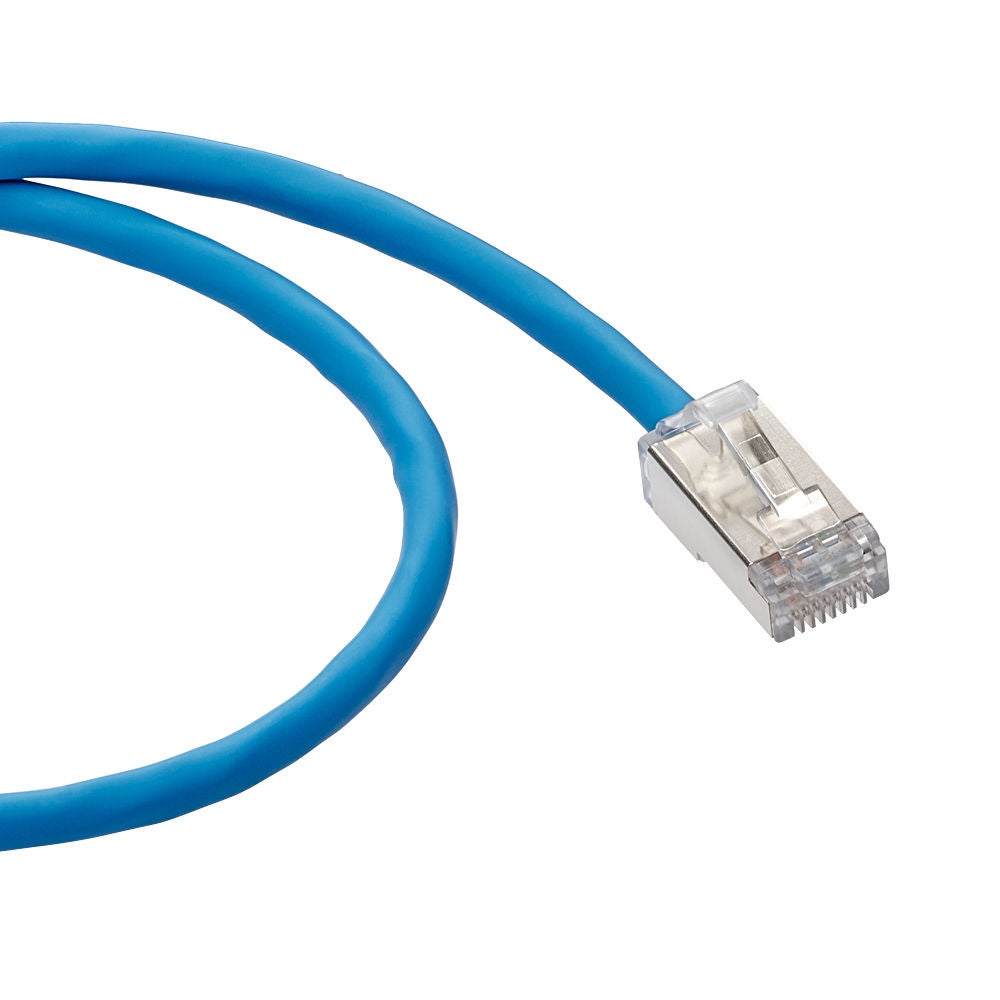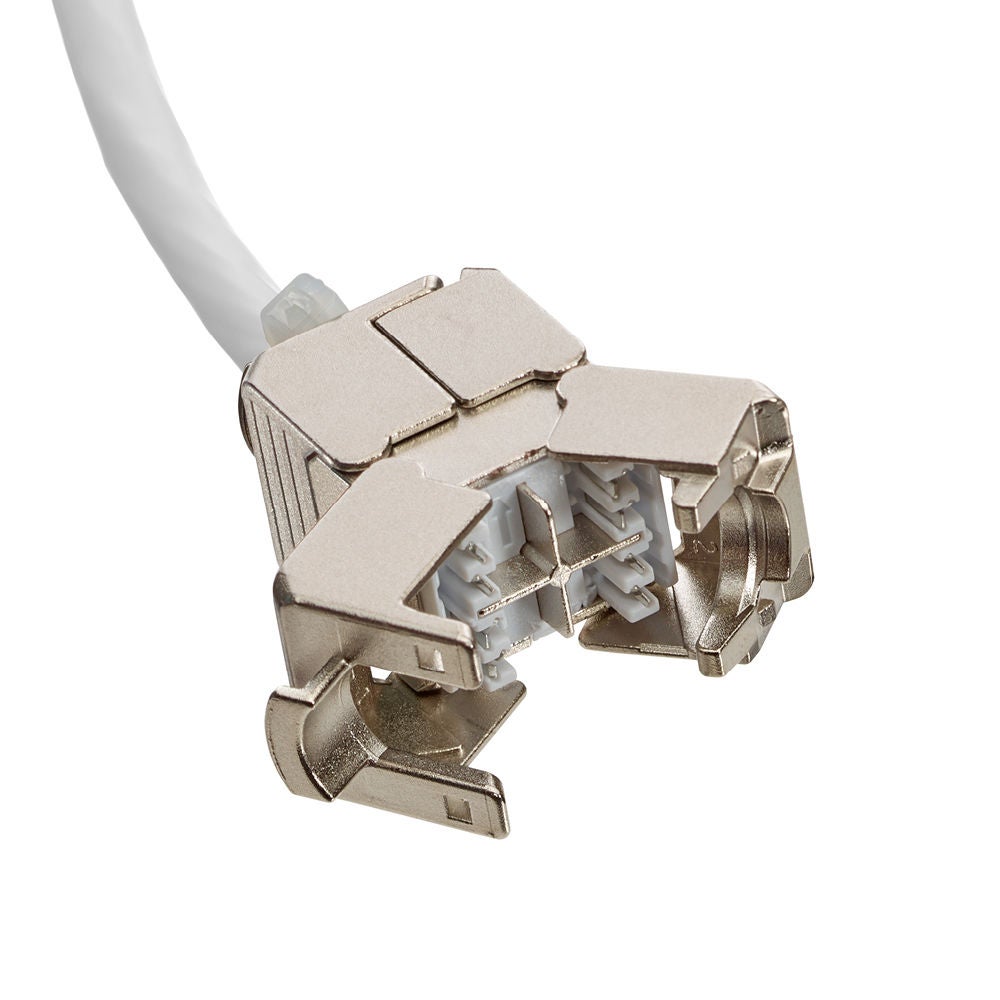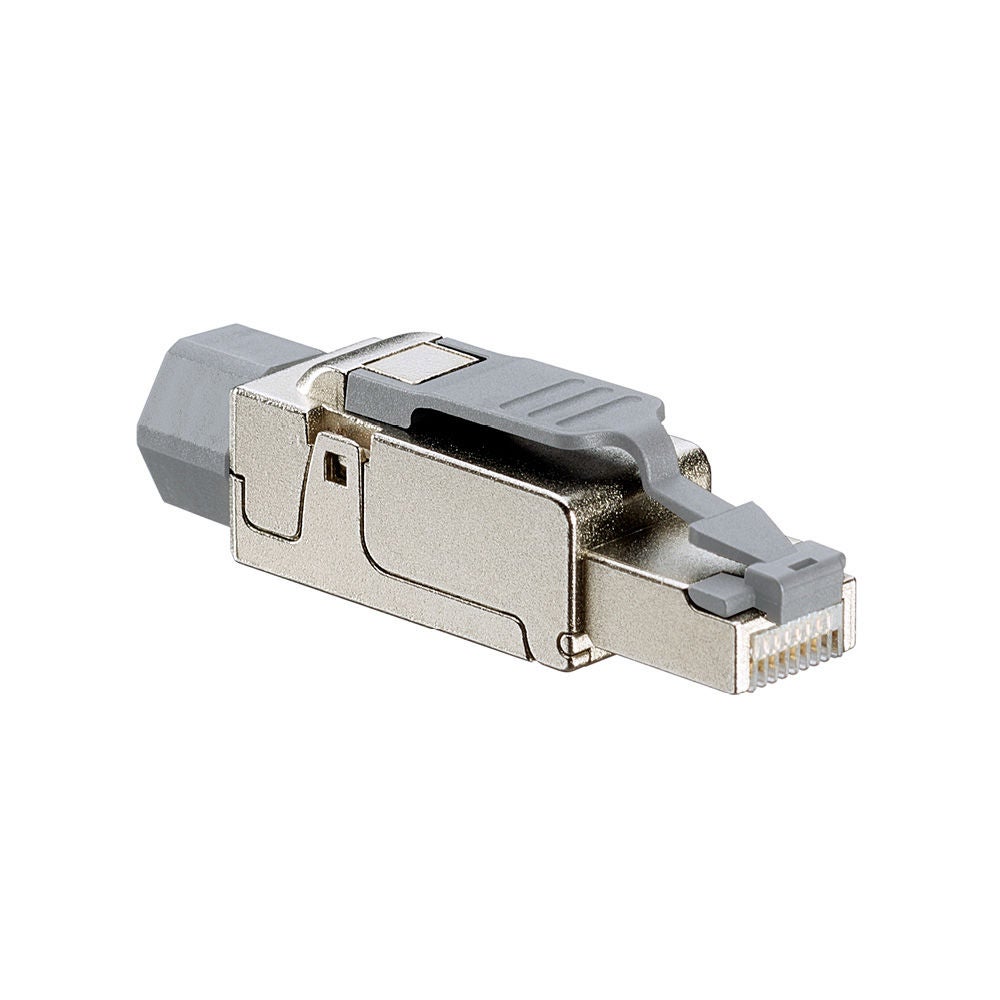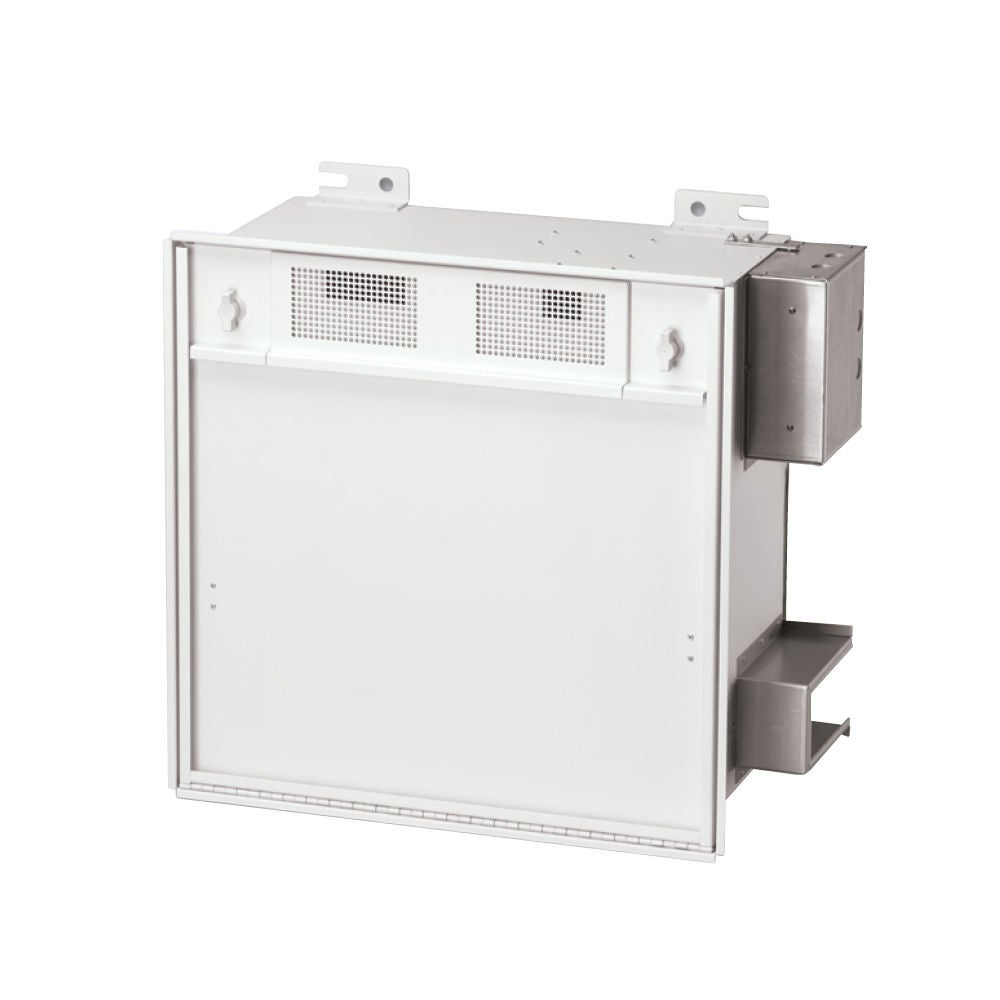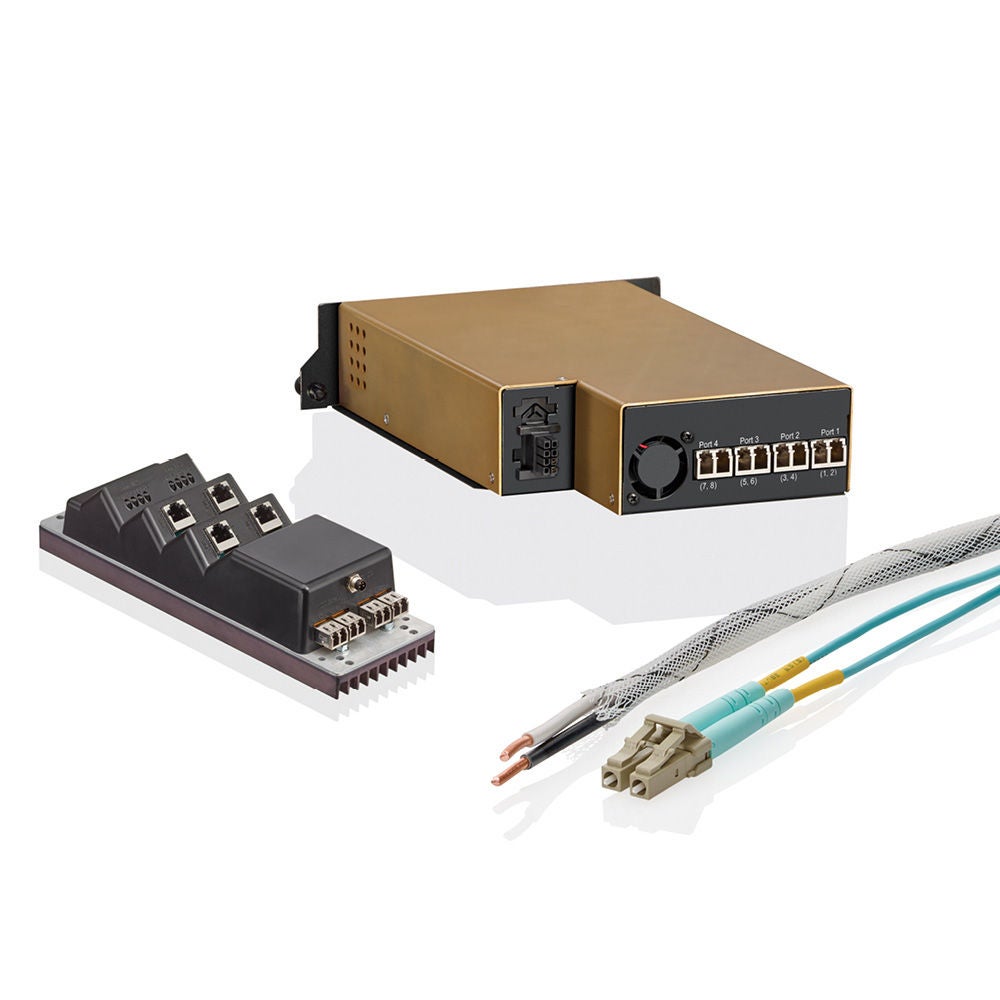

Power over Ethernet (PoE) delivers both power and data over a single Ethernet cable, simplifying installation while enabling scalable, centrally managed smart building networks. PoE brings important benefits to enterprise networks: it's a smart way to maximize the capabilities, efficiency, and control of your network, while lowering wiring and labor costs. The growing range of PoE enabled devices can have varying power and bandwidth requirements, so it’s important to have the right cabling infrastructure to support these applications.
Key benefits of PoE in Smart Buildings:
- Single cable infrastructure: Power and data delivered over one cable reduces wiring and labor costs
- Simplified installation: Faster deployment compared to traditional AC powered systems
- Centralized control: Devices can be remotely managed across the network
- Energy efficiency: Lower energy consumption compared to AC power systems
- Scalable for IoT: Supports a growing number of connected building devices
Cabling for High Power PoE
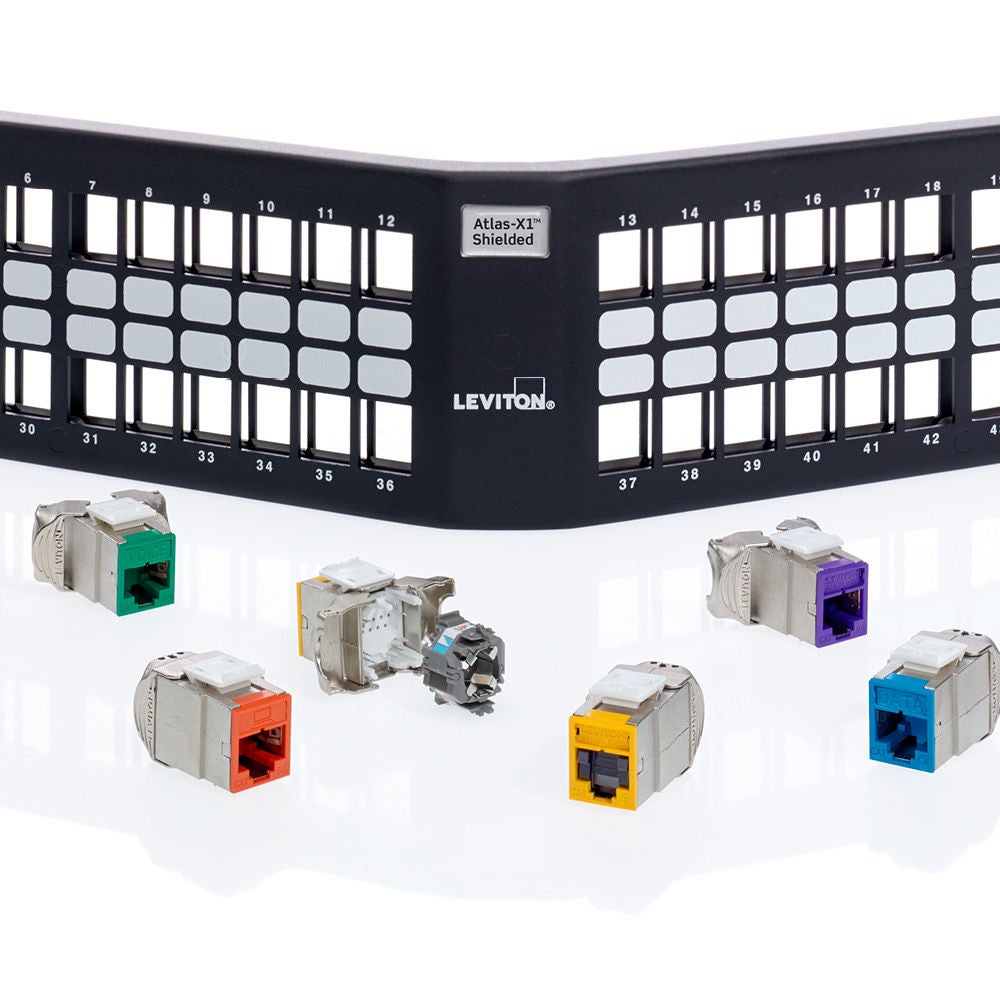
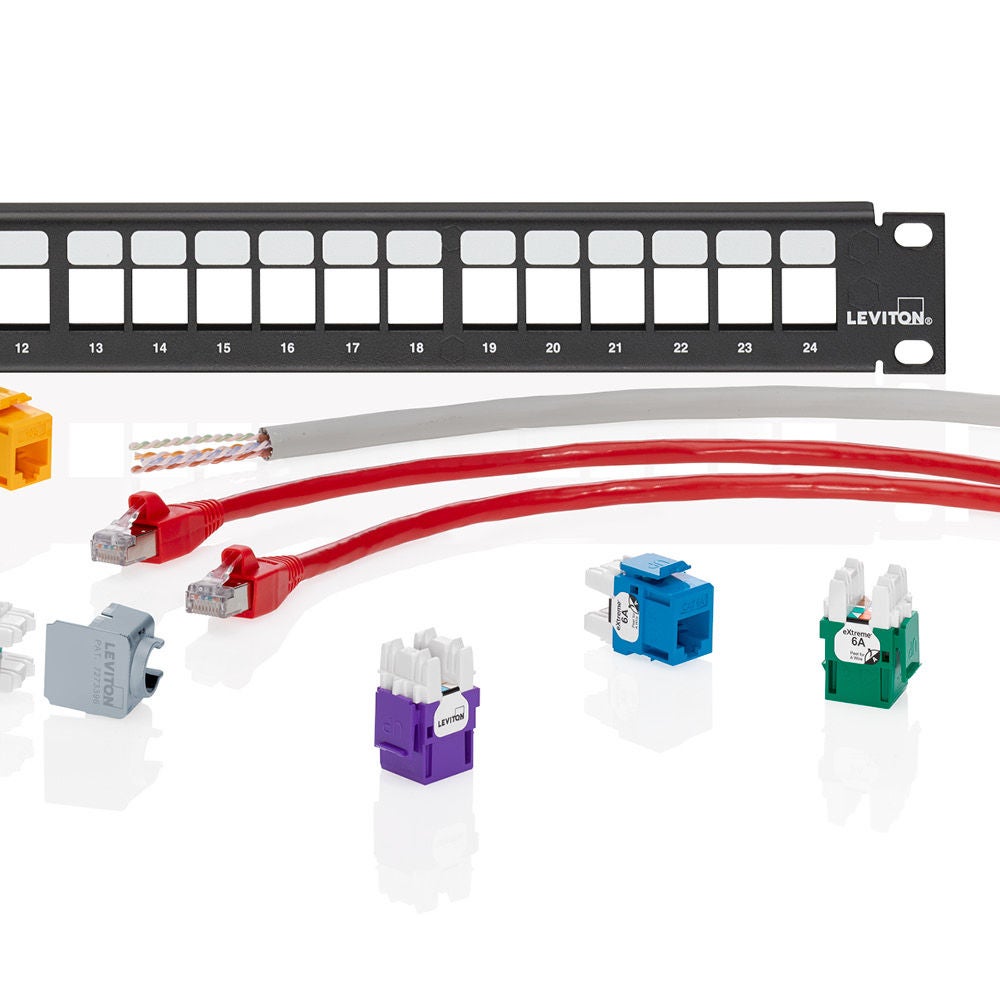
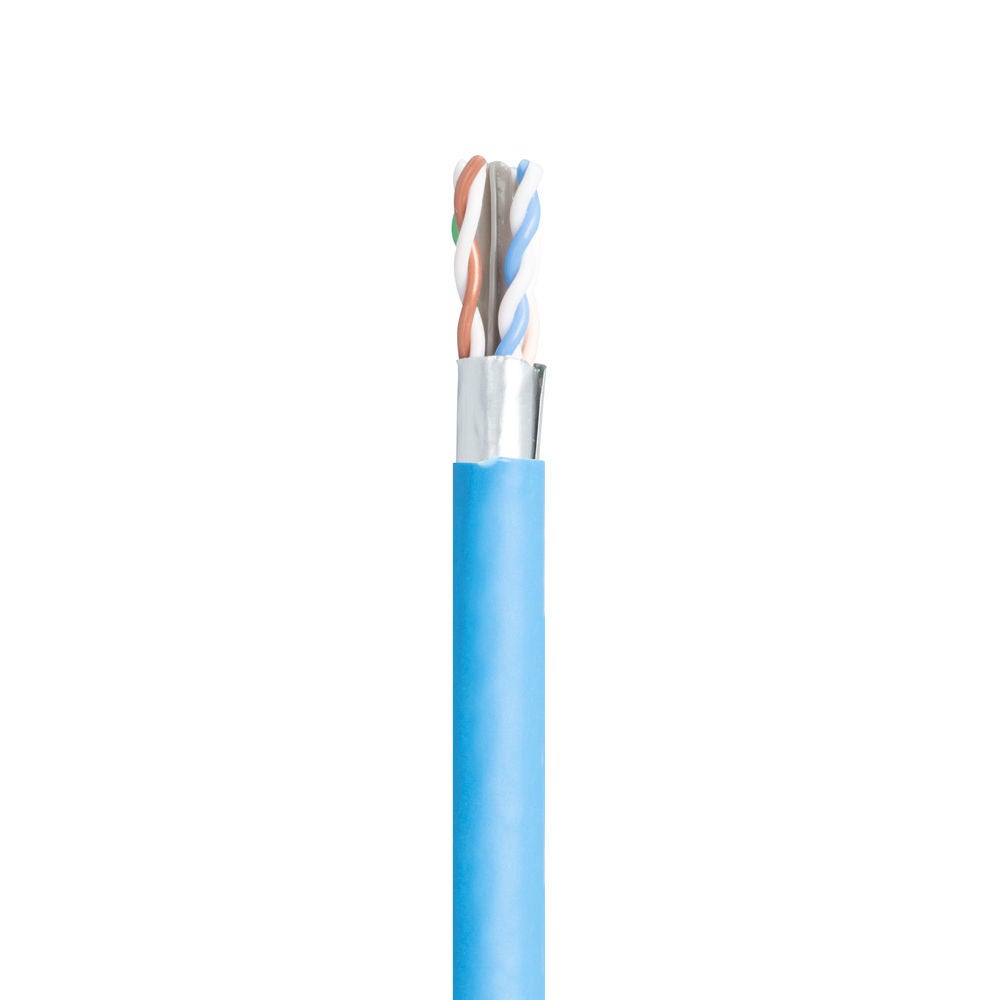
High-power PoE (60–90W) supports next-generation applications such as Wi‑Fi® 7 access points, advanced video systems, and smart lighting, enabling higher device density and performance across smart building environments. This makes Cat 6A cabling a must, and cabling system components should be designed to minimize temperature increases and meet industry standards for performance and construction.
PoE for Smart Devices and IoT
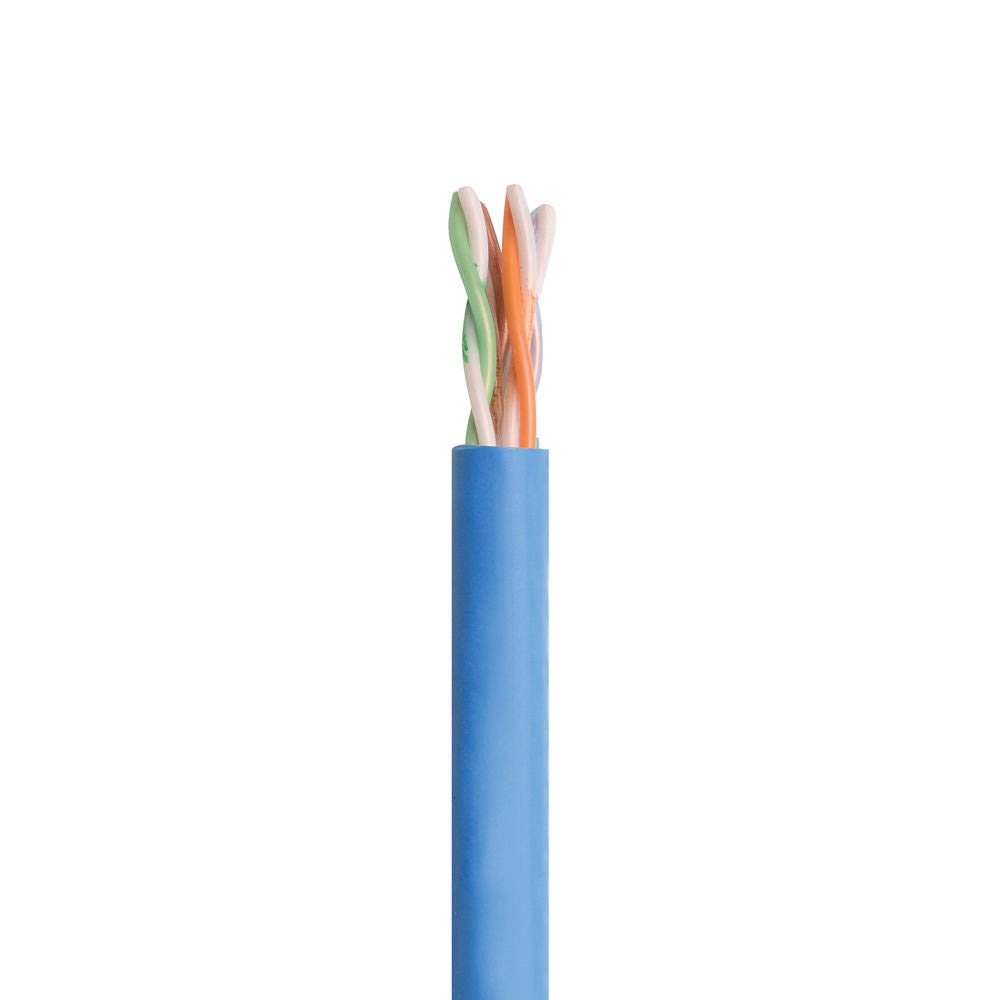
Many more remote intelligent devices are joining the LAN, including a range of building security access controls, thermostats, IP clocks, and fire alarms. These devices typically require lower bandwidth and power — less that 30 watts. Leviton’s PoE-optimized Cat 6 systems with 23 AWG conductors may be ideal for these applications, providing reliable power delivery and performance for large-scale IoT deployments.