
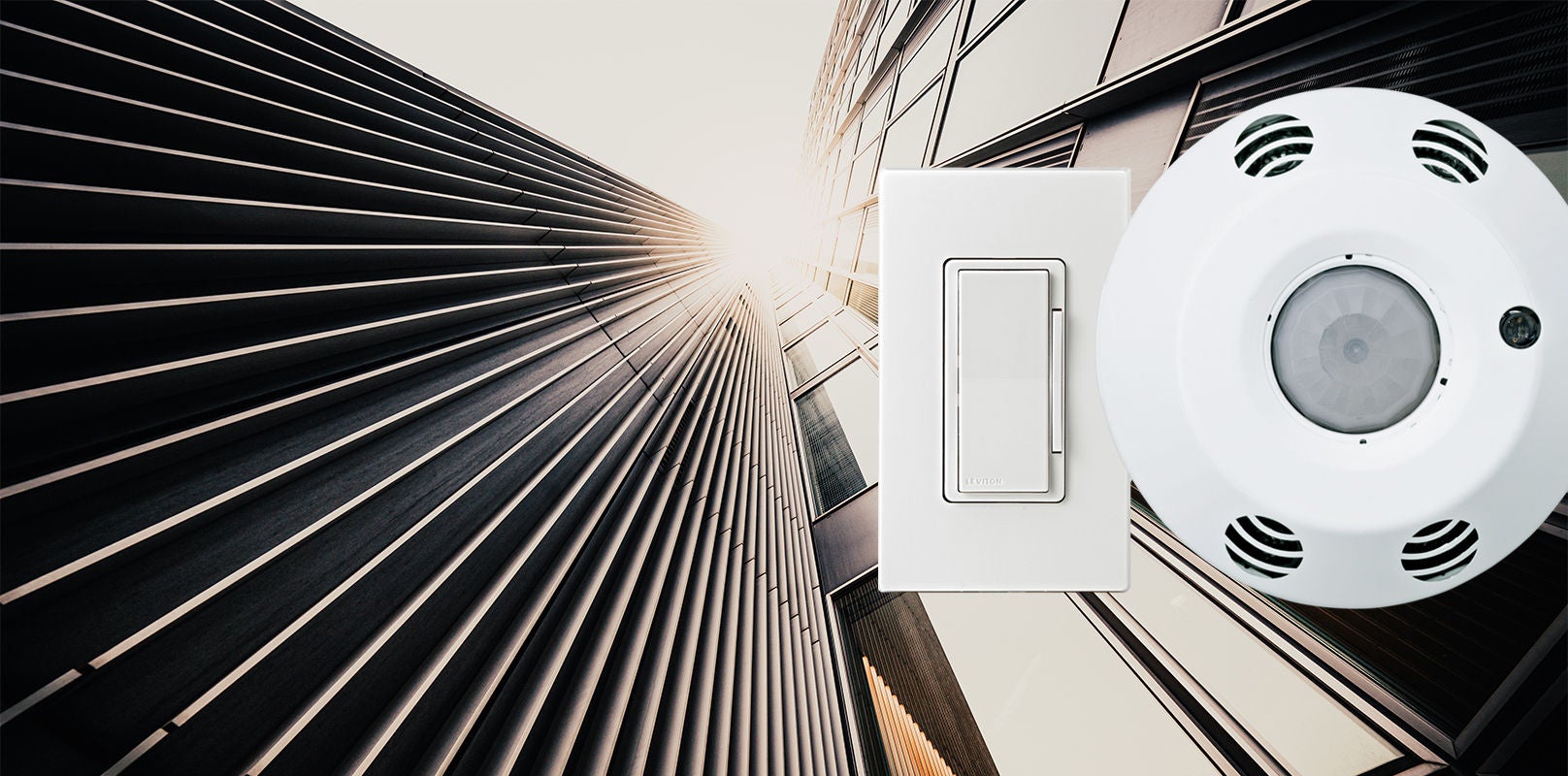
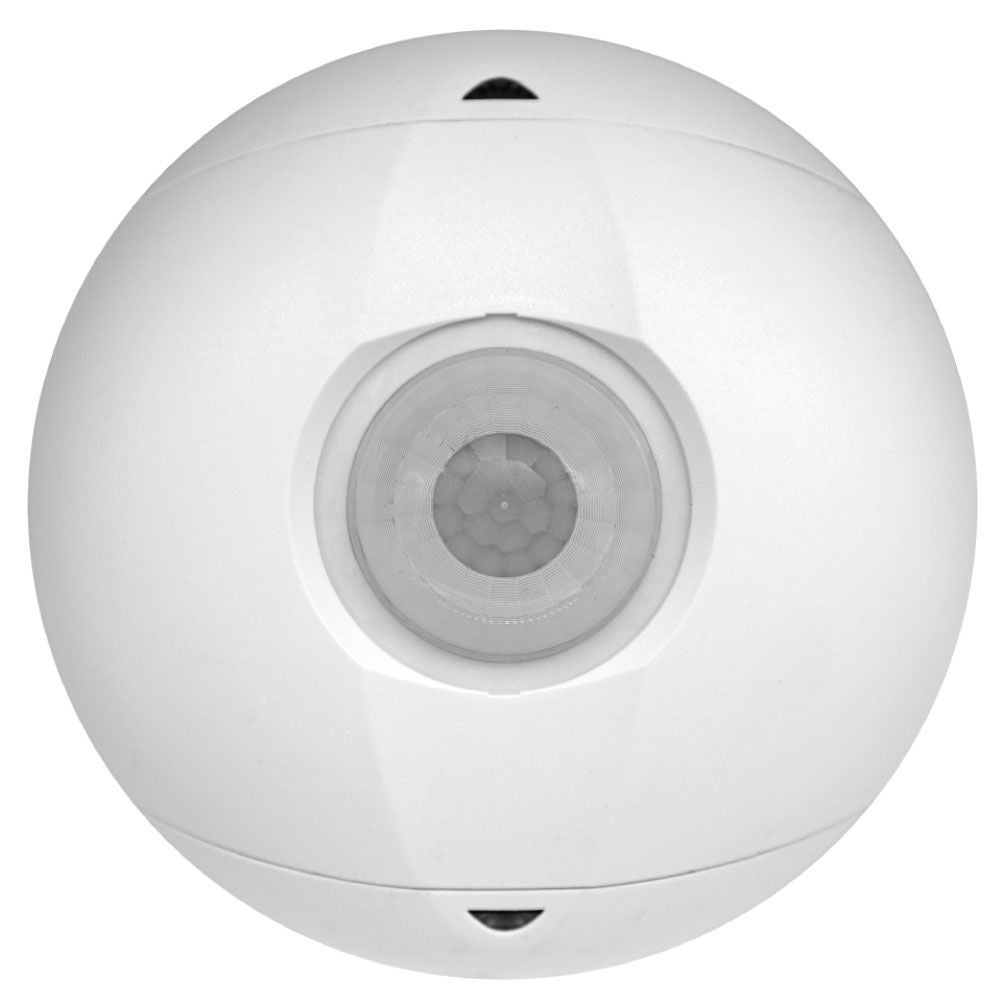
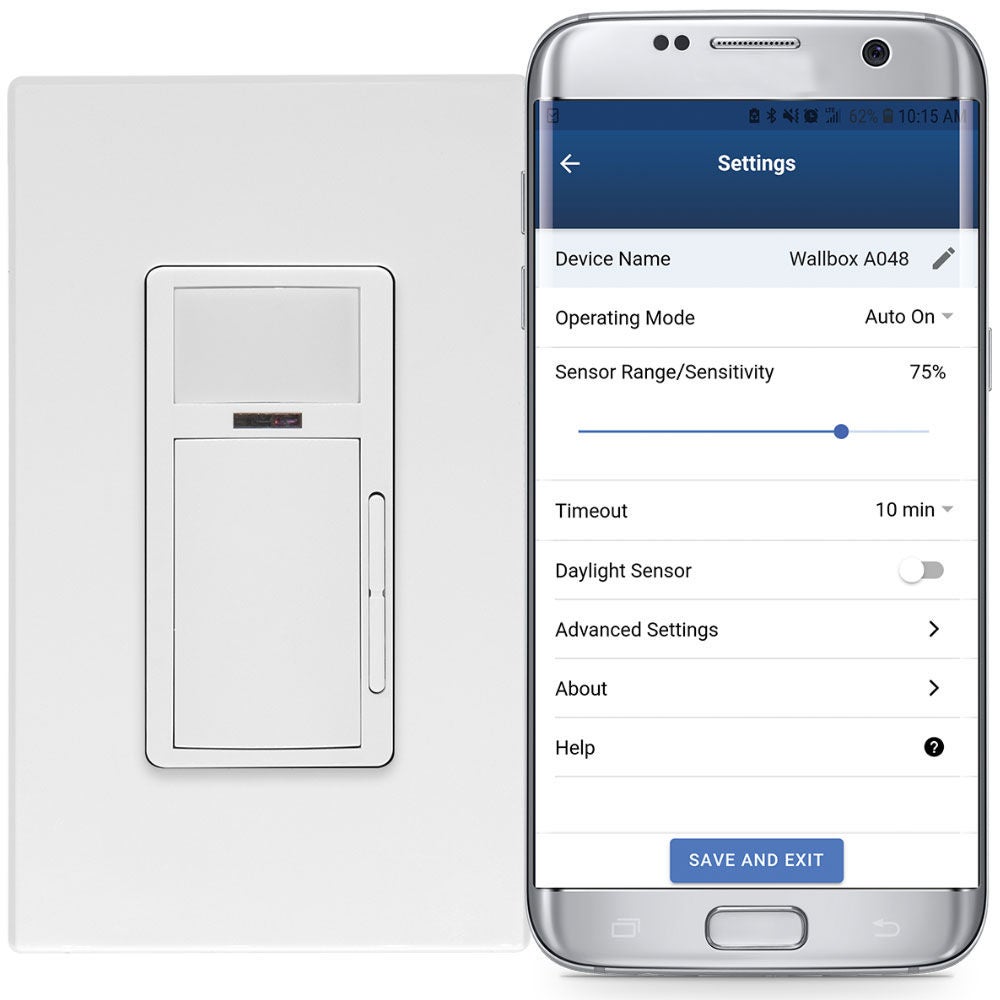
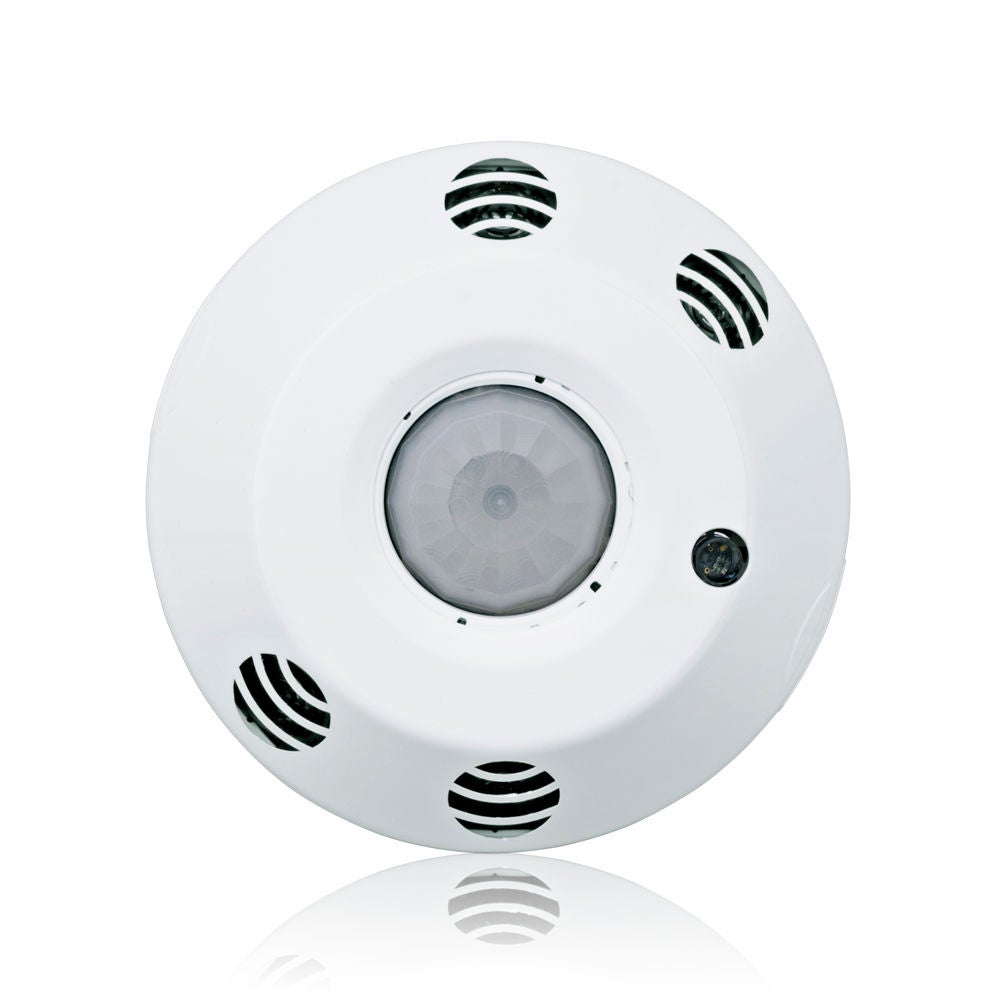
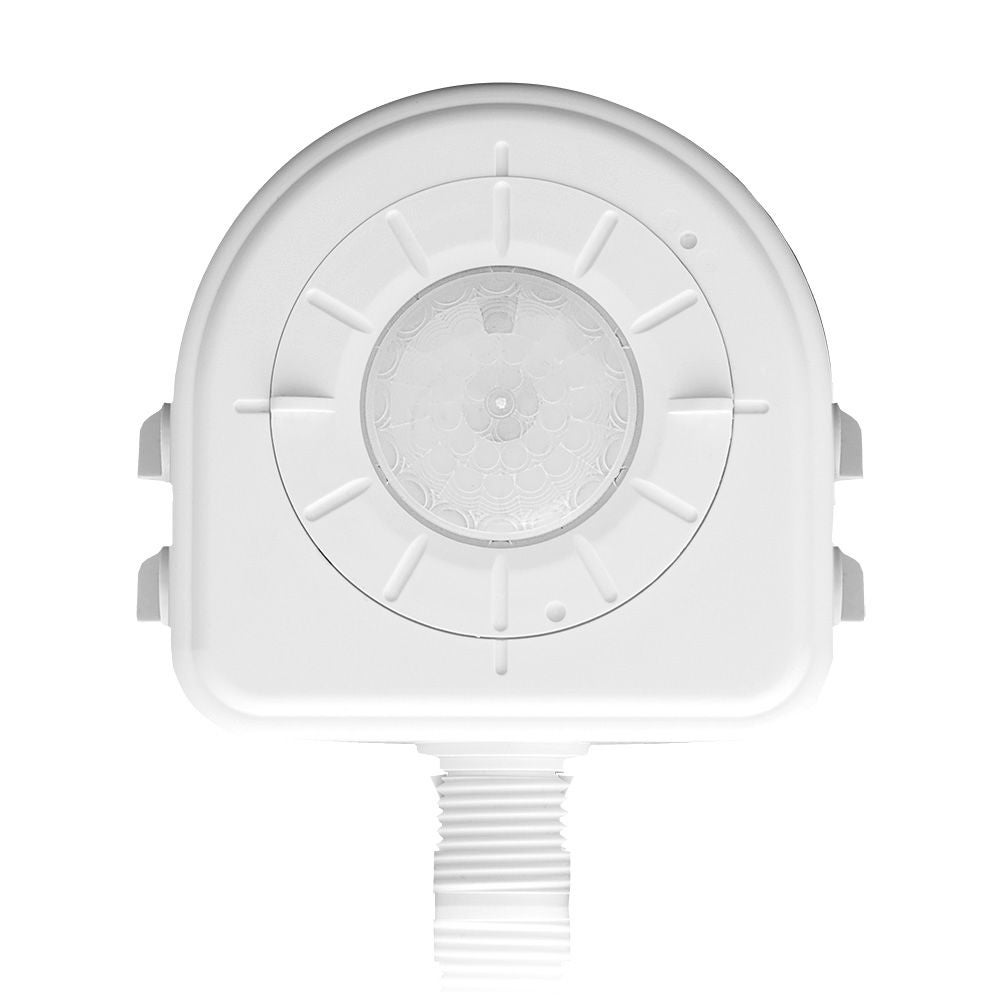
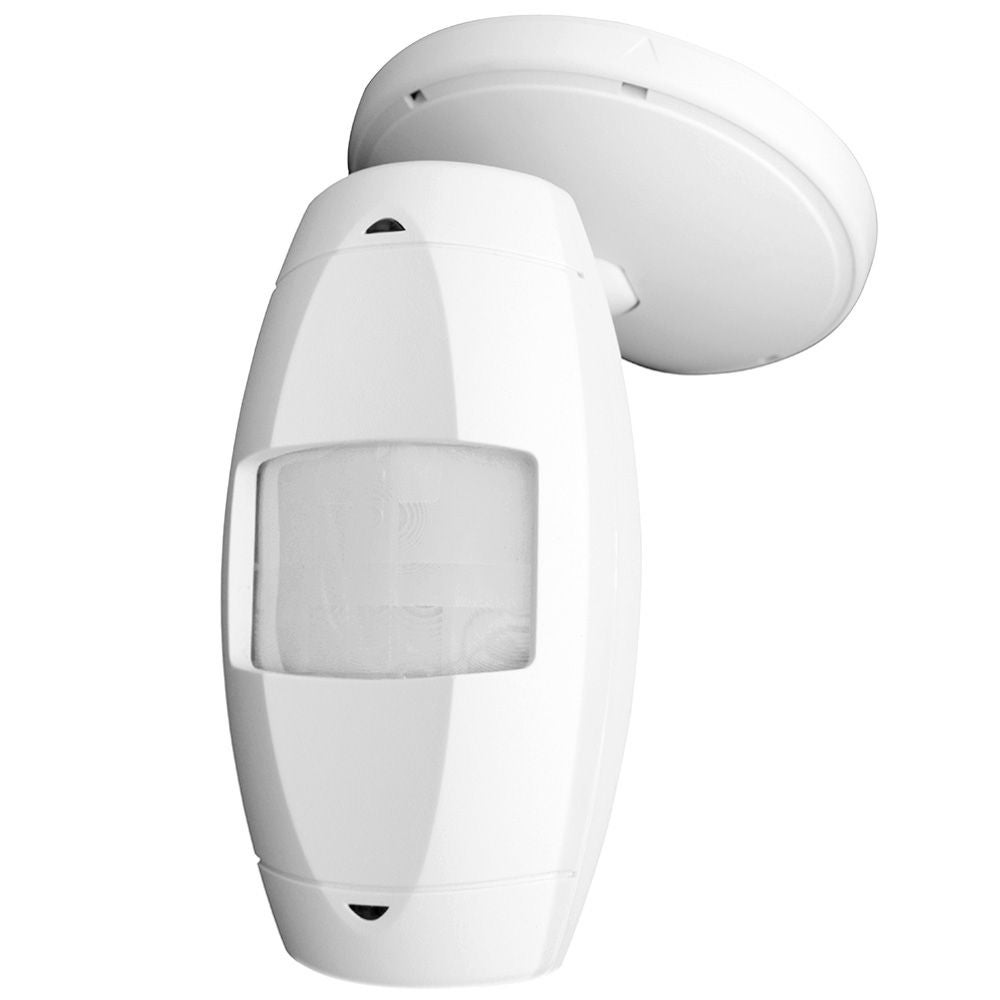
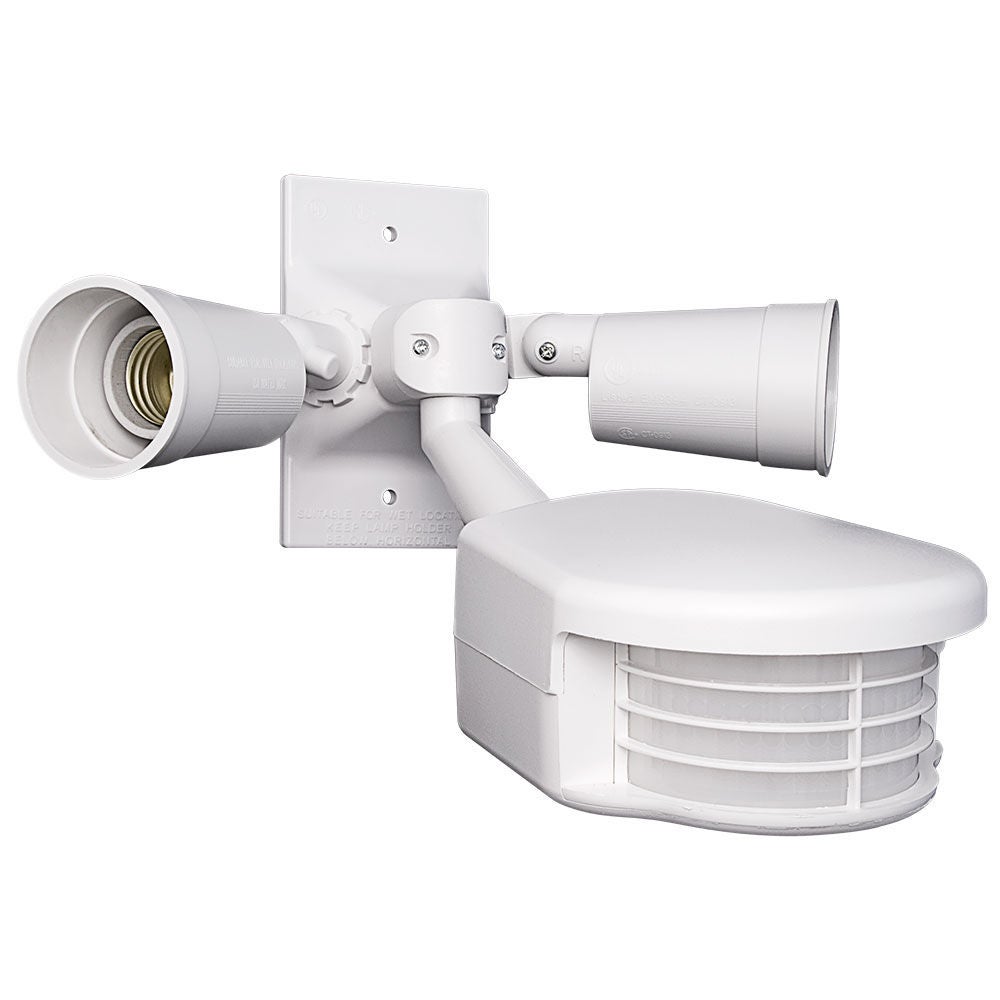
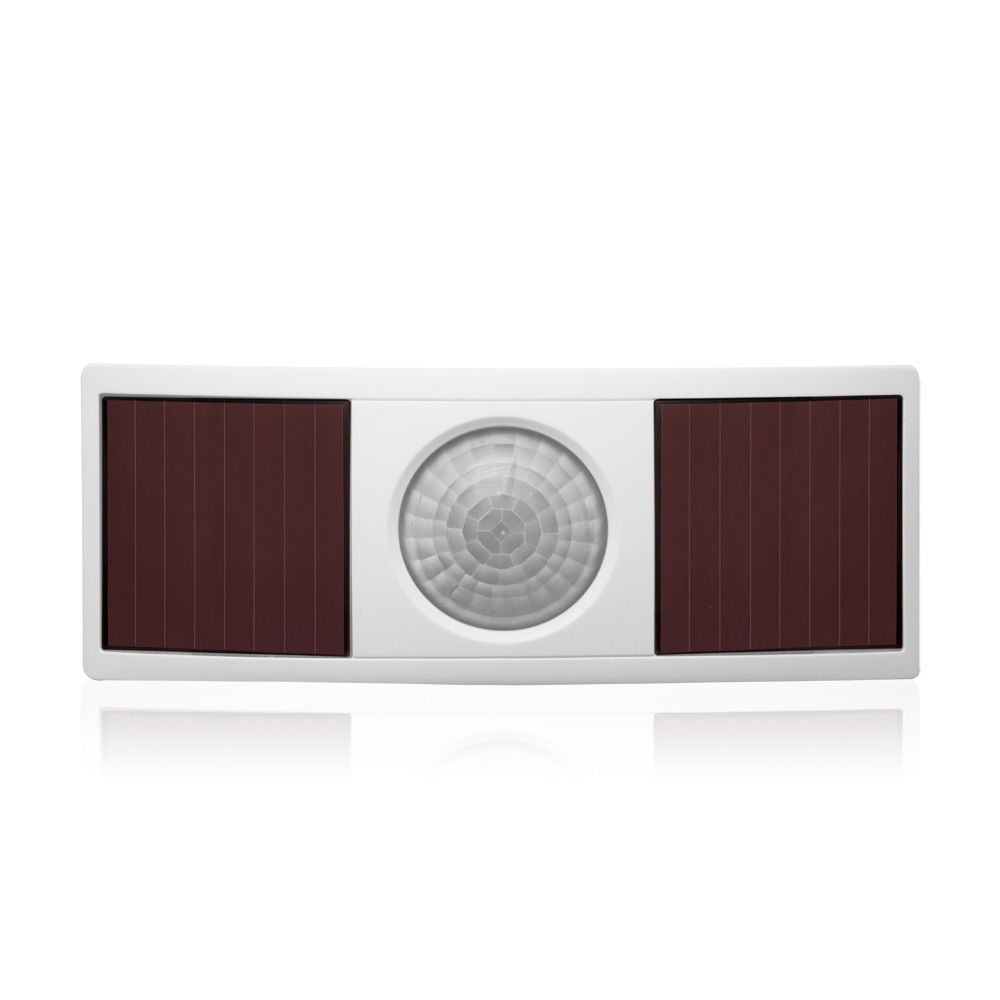
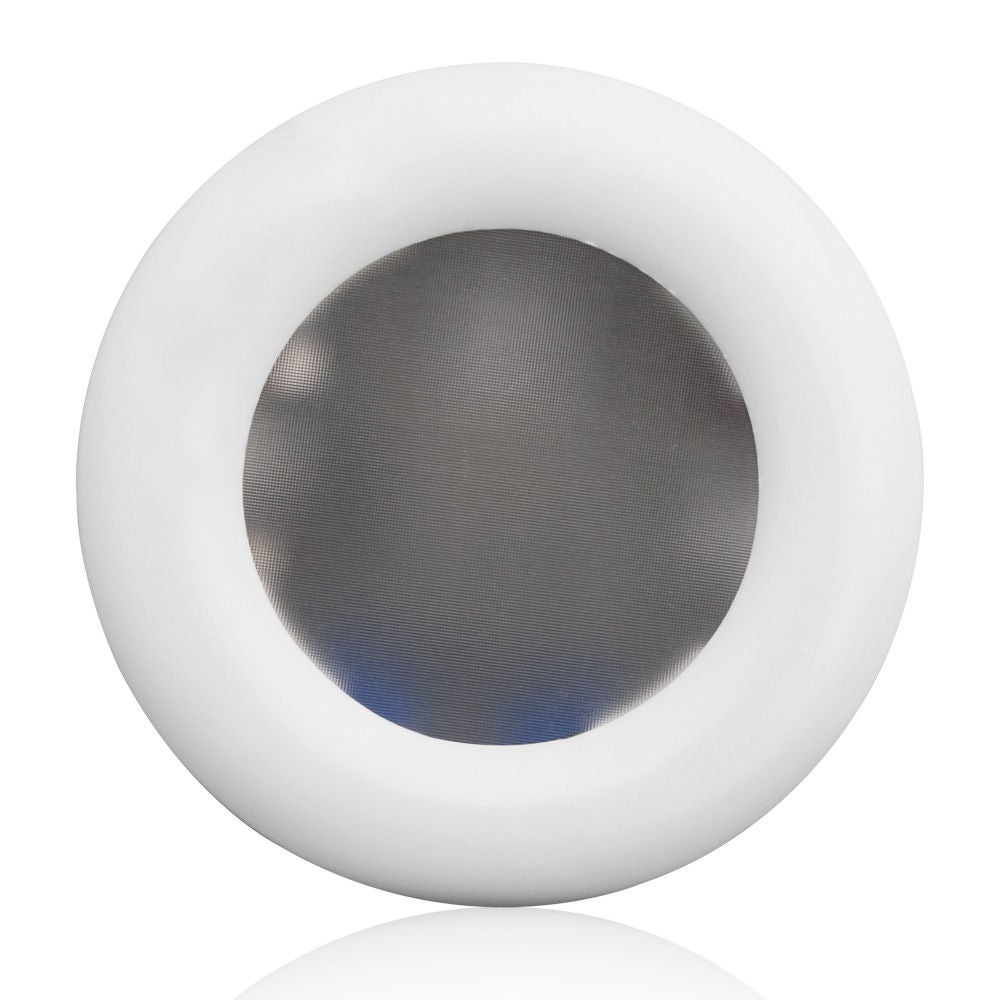
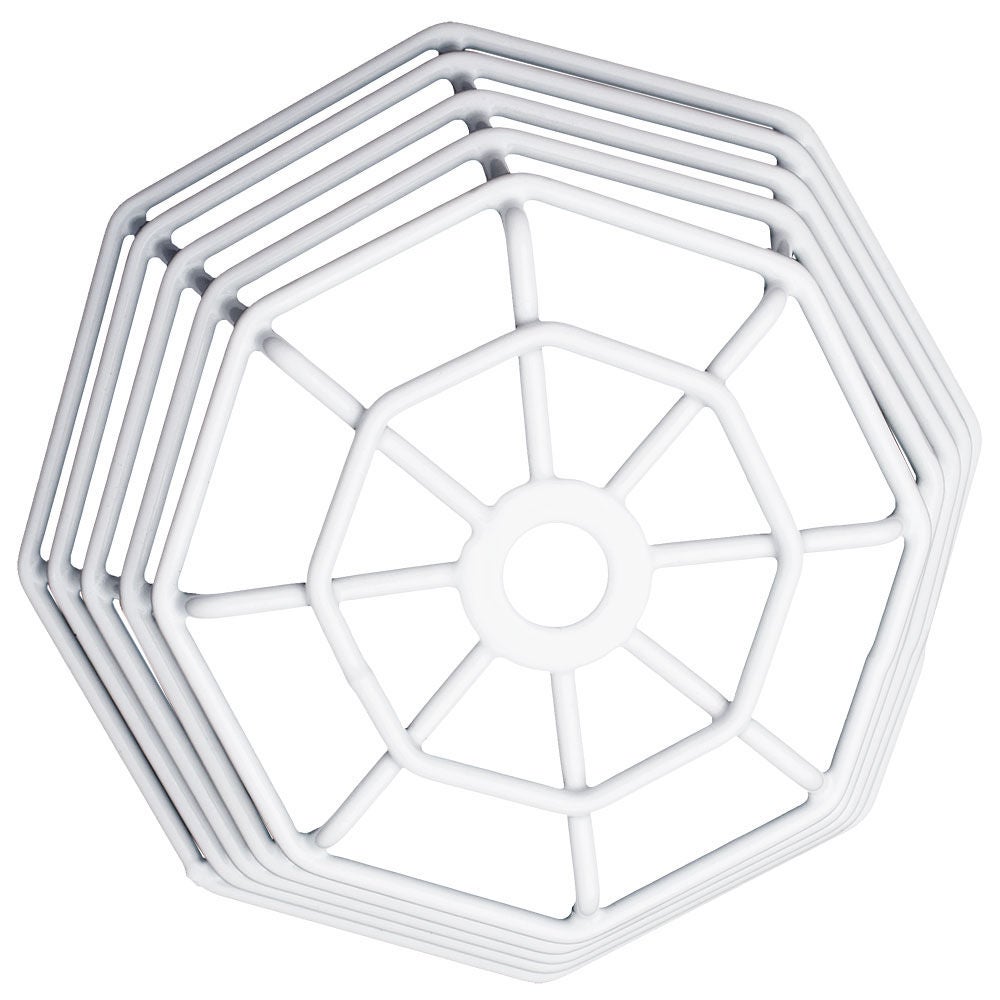
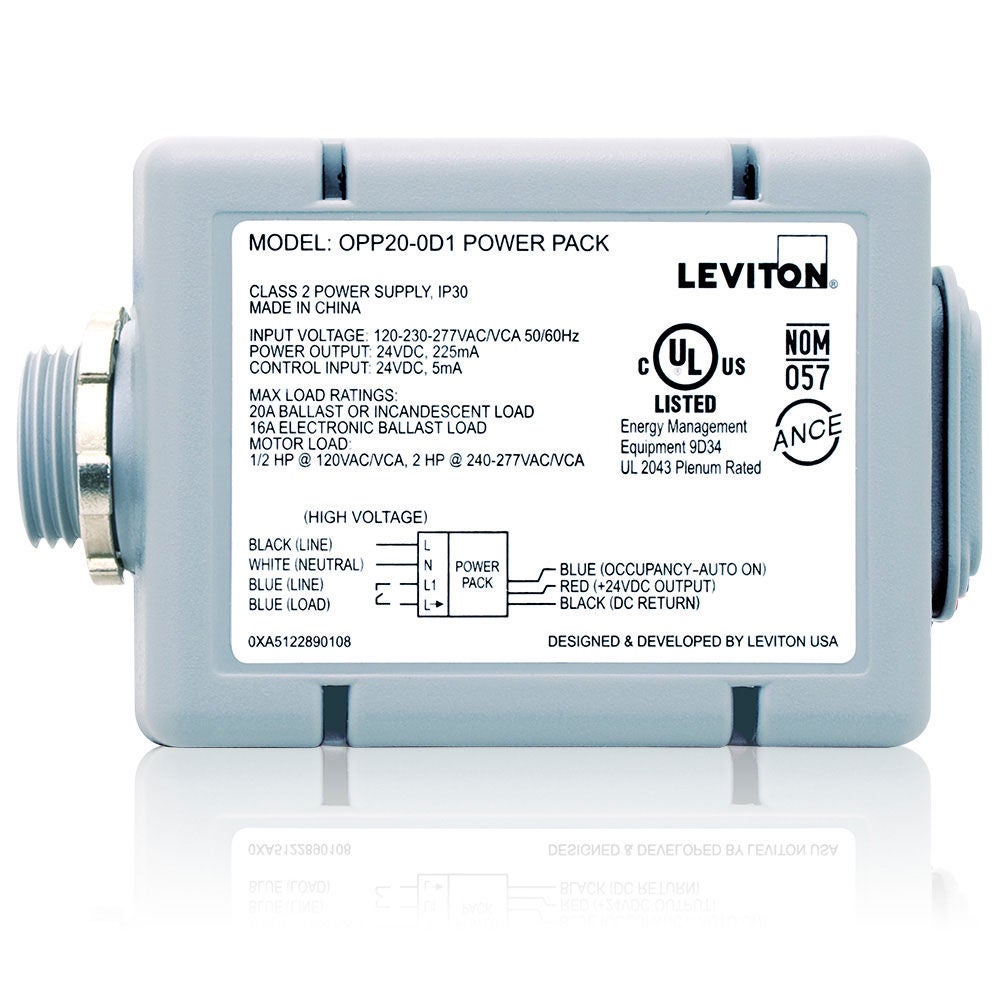
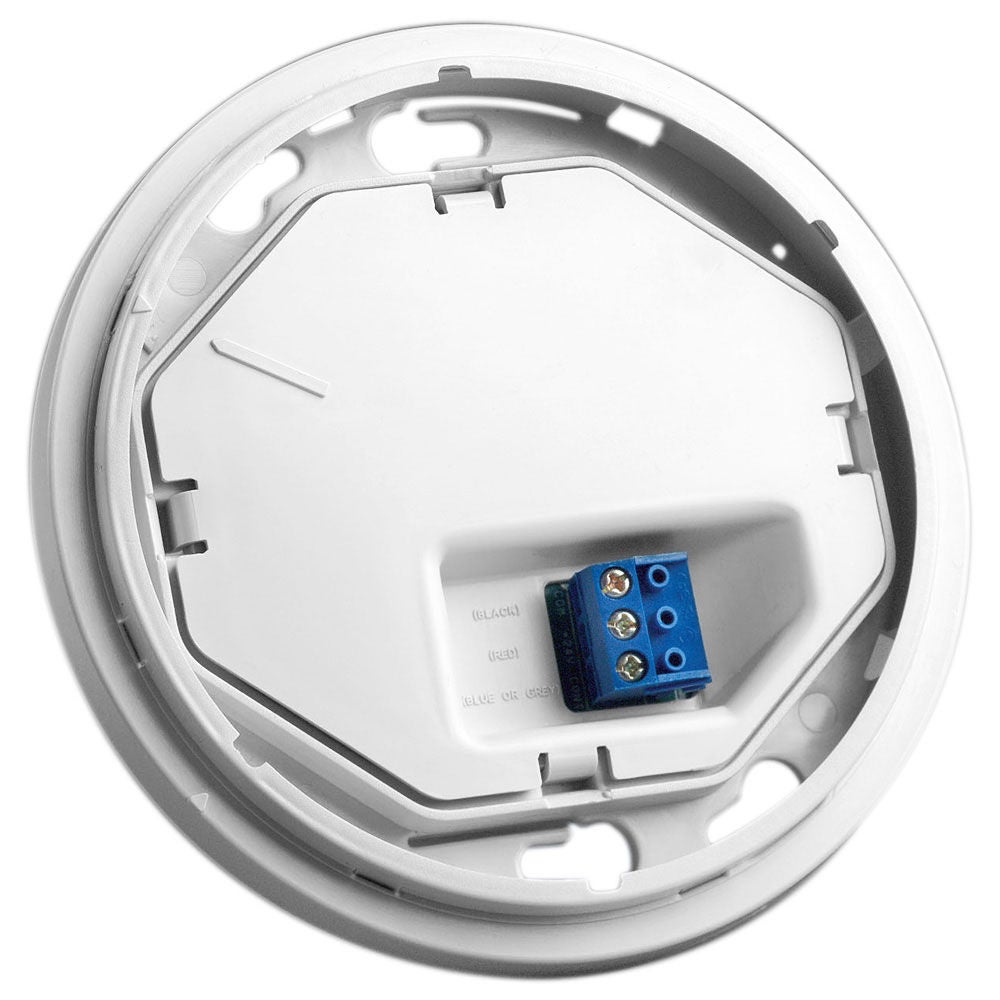
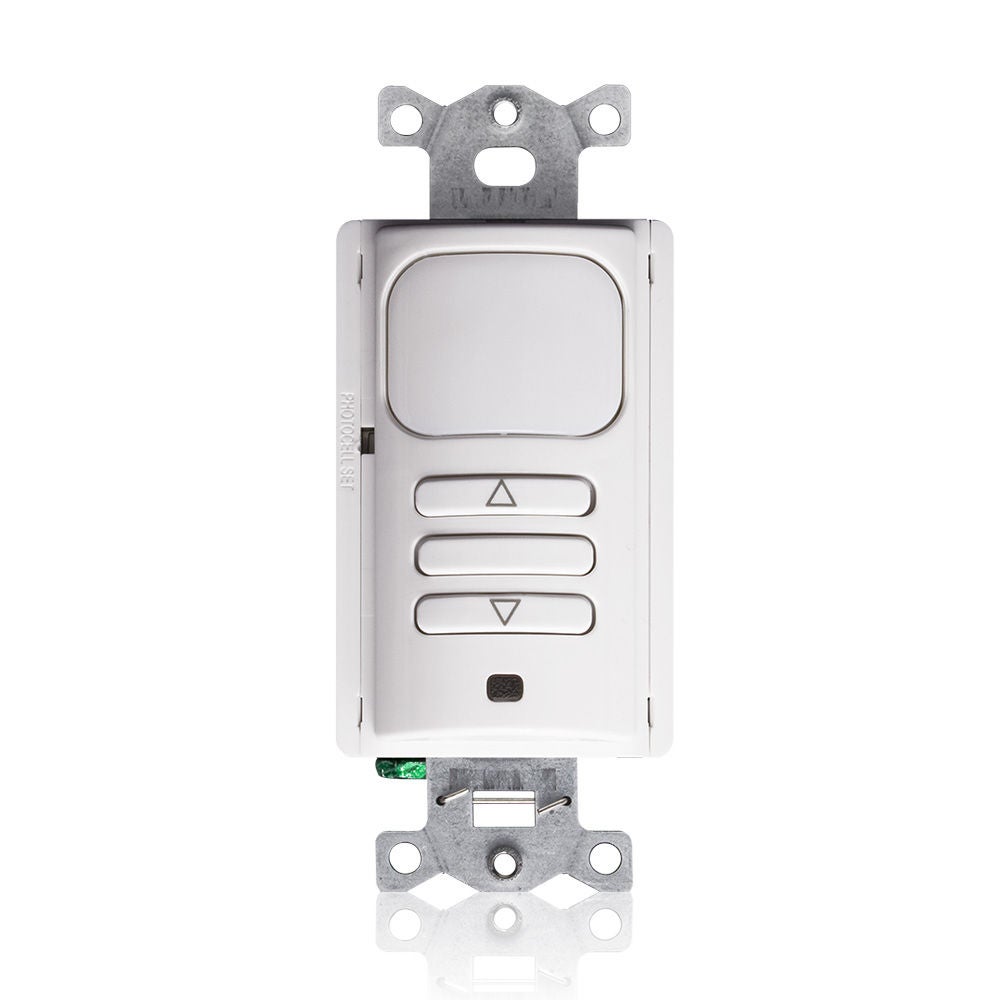
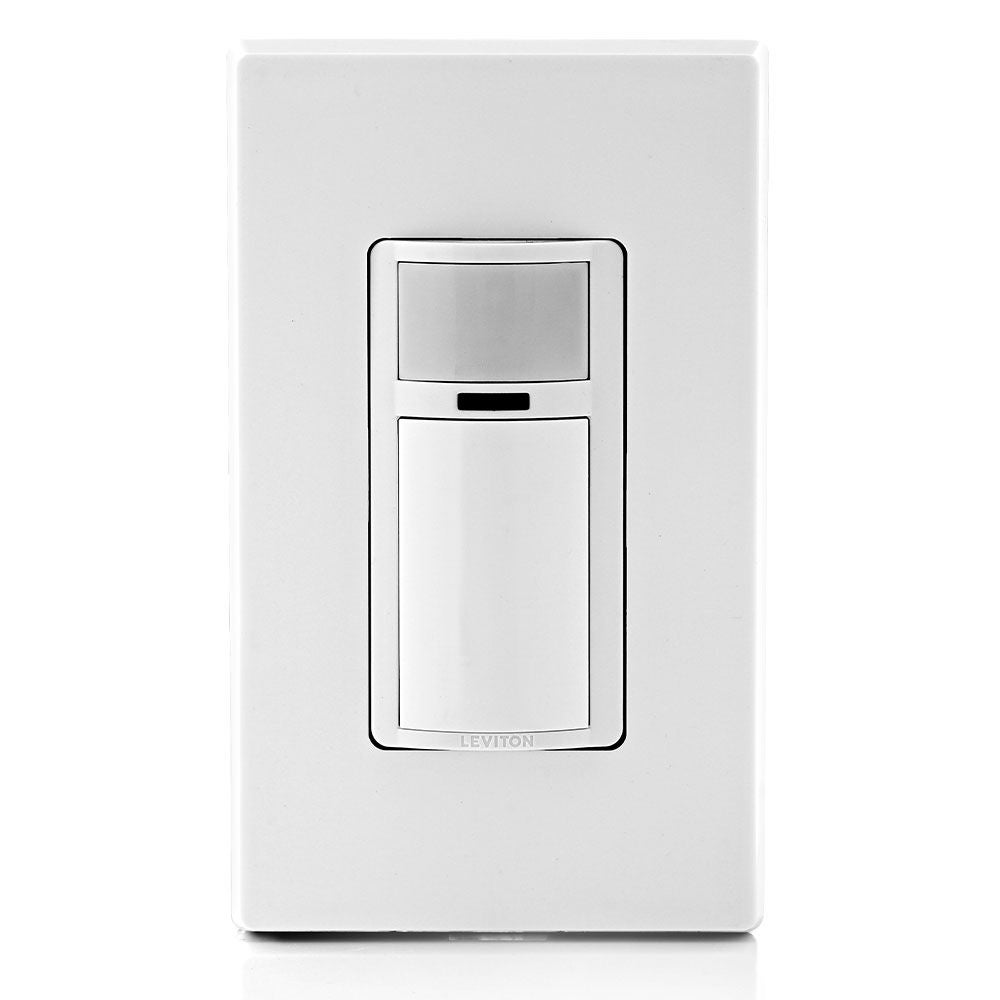
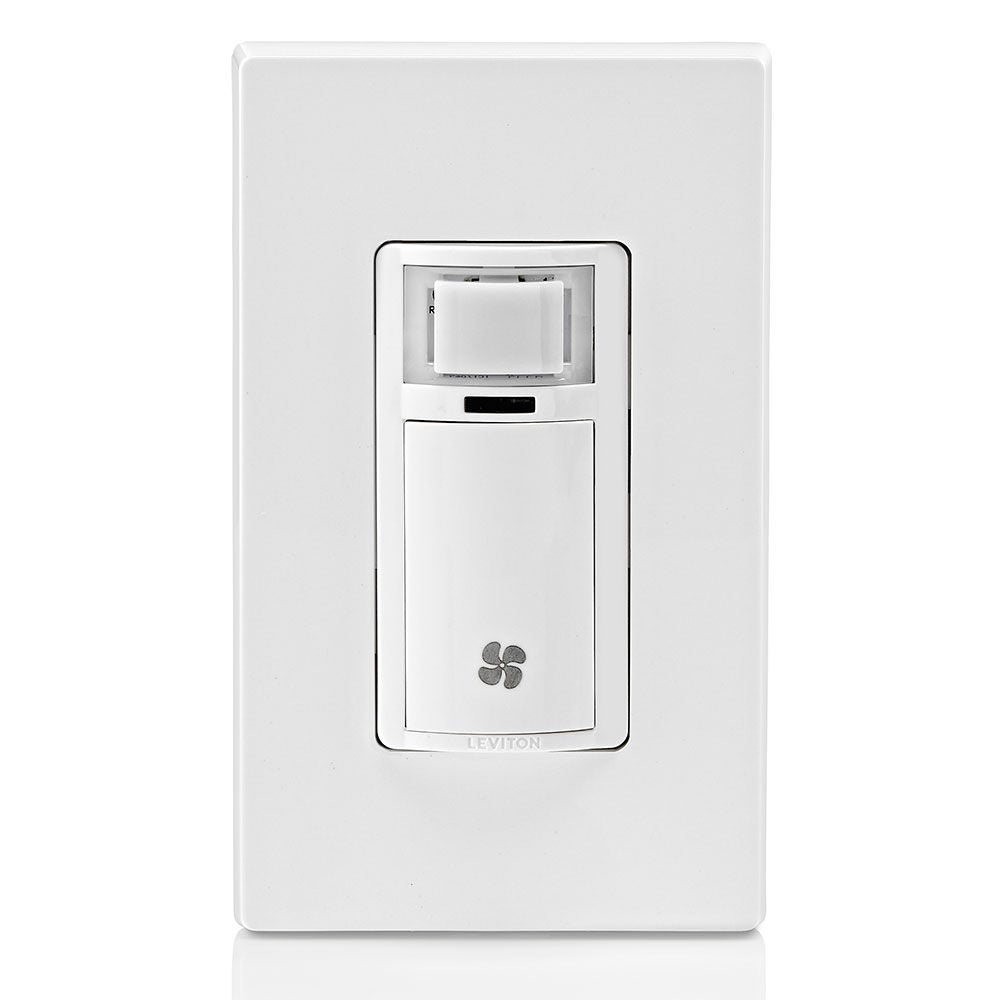
A multi-technology occupancy or vacancy sensor combines both passive infrared (PIR) and ultrasonic (US) sensing methods to improve accuracy. PIR detects motion and turns the lights ON, while ultrasonic continues monitoring and keeps them ON as long as movement is detected, even if it’s subtle. This combination eliminates the “false off” issues common with PIR alone and reduces the “false on” problems associated with ultrasonic sensors, making it a more reliable solution for controlling lighting in occupied spaces.
Looking for a Commercial Occupancy Sensor or Vacancy Sensor? Leviton has an Occupancy Sensor or Vacancy Sensor for every application!
Looking for a Photocell?
Looking for a Residential Occupancy Sensor or Vacancy Sensor?
Frequently Asked Questions
A PIR sensor works by detecting changes in heat emitted by moving humans compared to the background. It requires a clear line of sight because it cannot sense through obstacles like walls or furniture. One common issue is “false off,” where lights turn off even though someone is present but not moving. The sensor’s lens shapes its coverage into fan-like zones, and as the distance increases, these zones become wider and less sensitive, reducing detection accuracy.
An ultrasonic occupancy sensor works by transmitting high-frequency sound waves (typically 32–40 kHz) and using the Doppler effect to monitor changes in the reflected signals, which indicate movement. Unlike PIR sensors, it doesn’t require line of sight because the sound waves can bounce off or wrap around objects, allowing it to detect motion in complex spaces. This design eliminates coverage gaps and provides greater sensitivity, but it also makes the sensor more prone to nuisance switching. The main concern with ultrasonic sensors is “false on,” where lights turn on unnecessarily due to minor disturbances like airflow or vibrations.
A microwave occupancy sensor uses high-frequency waves to detect Doppler shifts caused by motion, functioning much like a radar gun to sense both speed and size of movement. These sensors can be installed behind materials such as plastic, glass, or in open office partitions, making them versatile for different environments. However, they cannot penetrate metal and may trigger false alarms from objects moving in the wind, so placement and calibration are important for reliable performance.
A microphonics occupancy sensor uses audio technology with a built-in microphone to detect sounds that indicate occupancy, such as voices or movement noises. It is typically paired with a PIR sensor to improve accuracy, since it cannot function effectively as a standalone device in spaces where there is no line of sight to motion. This combination helps ensure reliable detection in areas where visual sensing alone might fail.
Resources

How can we help you?
Speak to one of our Sensor Specialists.