
Loading...

Connecting Your Home, Your Way

Our infrastructure unlocks next-generation smart home functionality

IoT-powered devices are prominently used throughout residential and light commercial buildings – but without a framework connecting them, they’re smart devices, not a smart home. Developers, business owners, and homeowners require an infrastructure that allows their connected home devices to work as a cohesive whole.

For every residential project — new or retrofit, single-family home or multi-dwelling unit — we provide an unparalleled selection of structured wiring, networking, audio, video, and telephone solutions. We offer what’s next in home connection, empowering you to hand-craft a smart home system that uniquely suits your lifestyle.


QUICK LINKS:  Resources  |  Connected Home Products  |  STRUCTURED MEDIA Centers  |  Plastic Enclosures for Wireless Networks  |  Behind the Display  |  Connected Home Catalog  |  Support

Network in No Time

Build your STRUCTURED MEDIA™ Center in just a few clicks with our easy project form.

Behind the Display Solutions


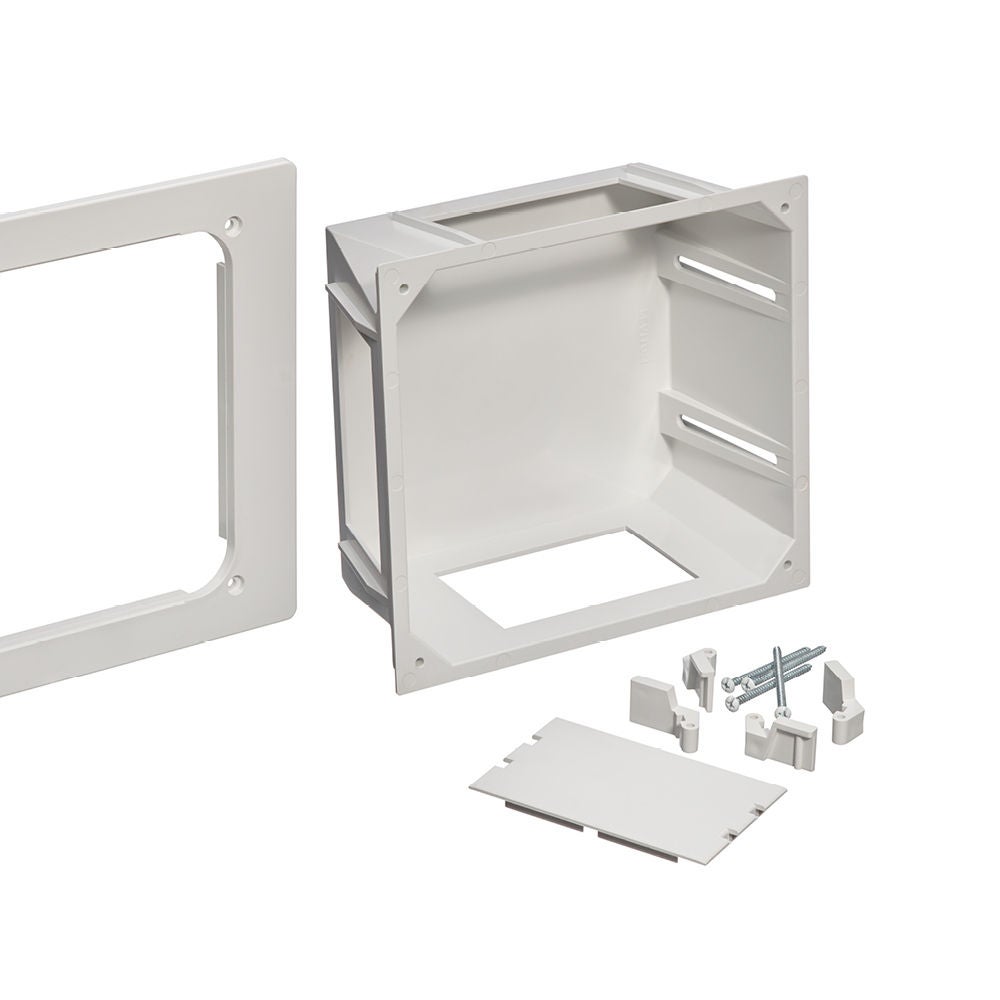
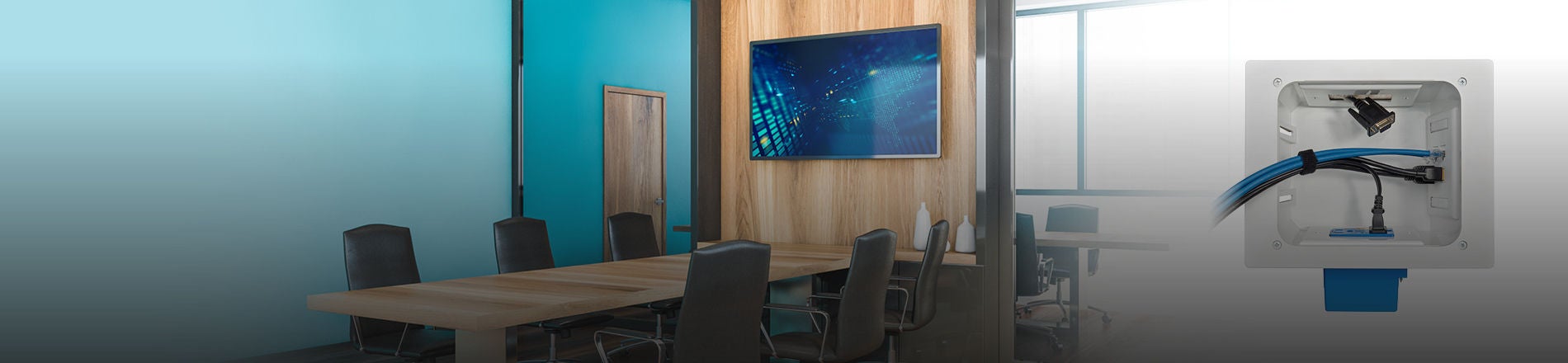
Consolidate and conceal data, TV, audio connections behind flat panel displays

Customer Spotlight 
Competitive Pricing, Superior Systems

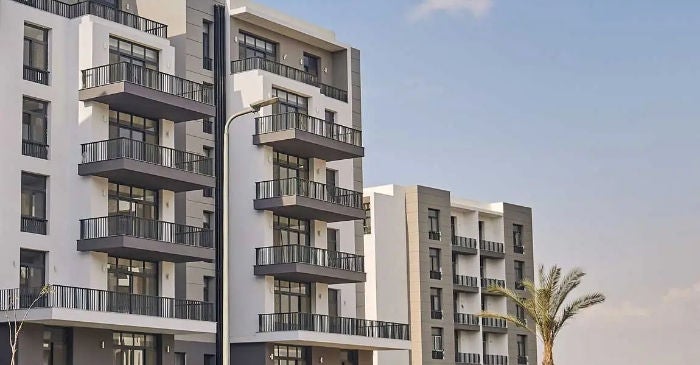
Al Futtaim chose Leviton for a 404-unit MDU build citing better system longevity and support at an equally competitive price.

Learn more »

Why Structured Cabling?

Wi-Fi® should be an extension of your home’s network, not your sole option for connectivity. Structured cabling solutions provide high-bandwidth, high-speed connections for your stationary appliances, putting less stress on your router and unlocking higher functionality for portable devices.

Crafting Your Cabling Solution

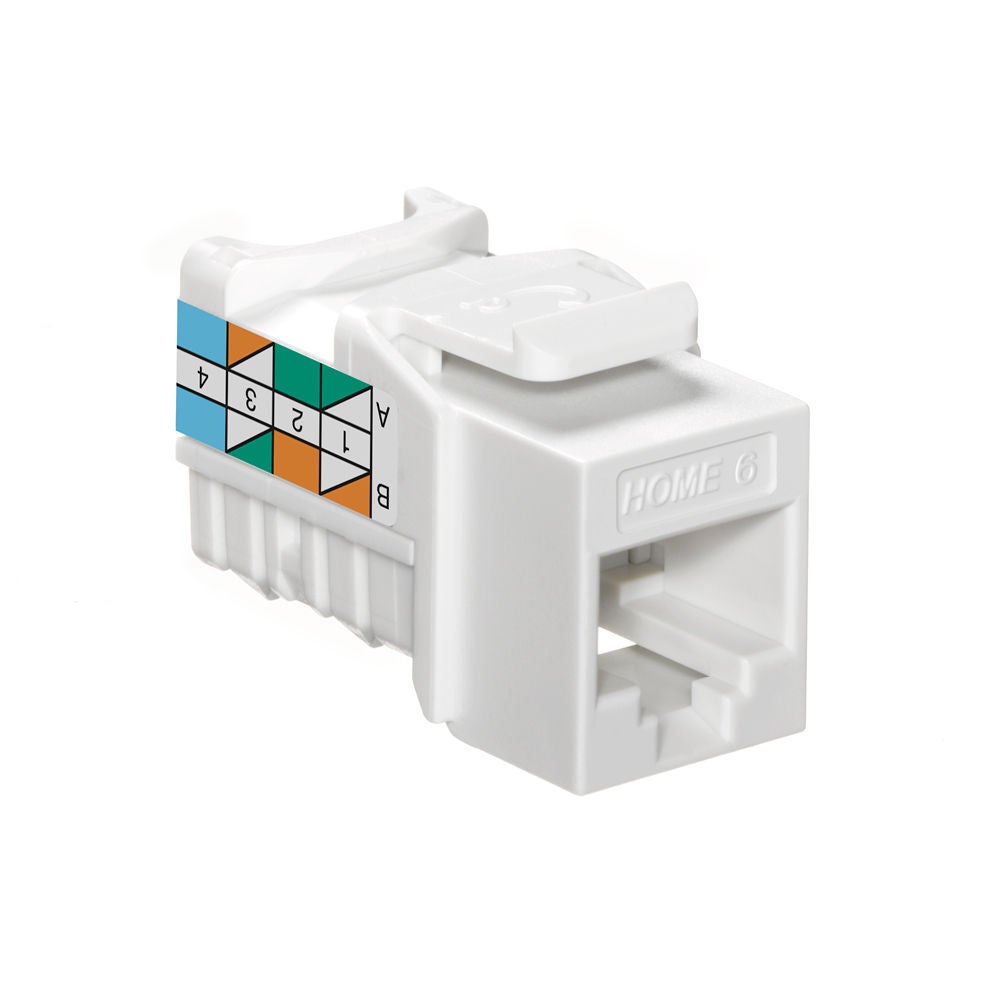
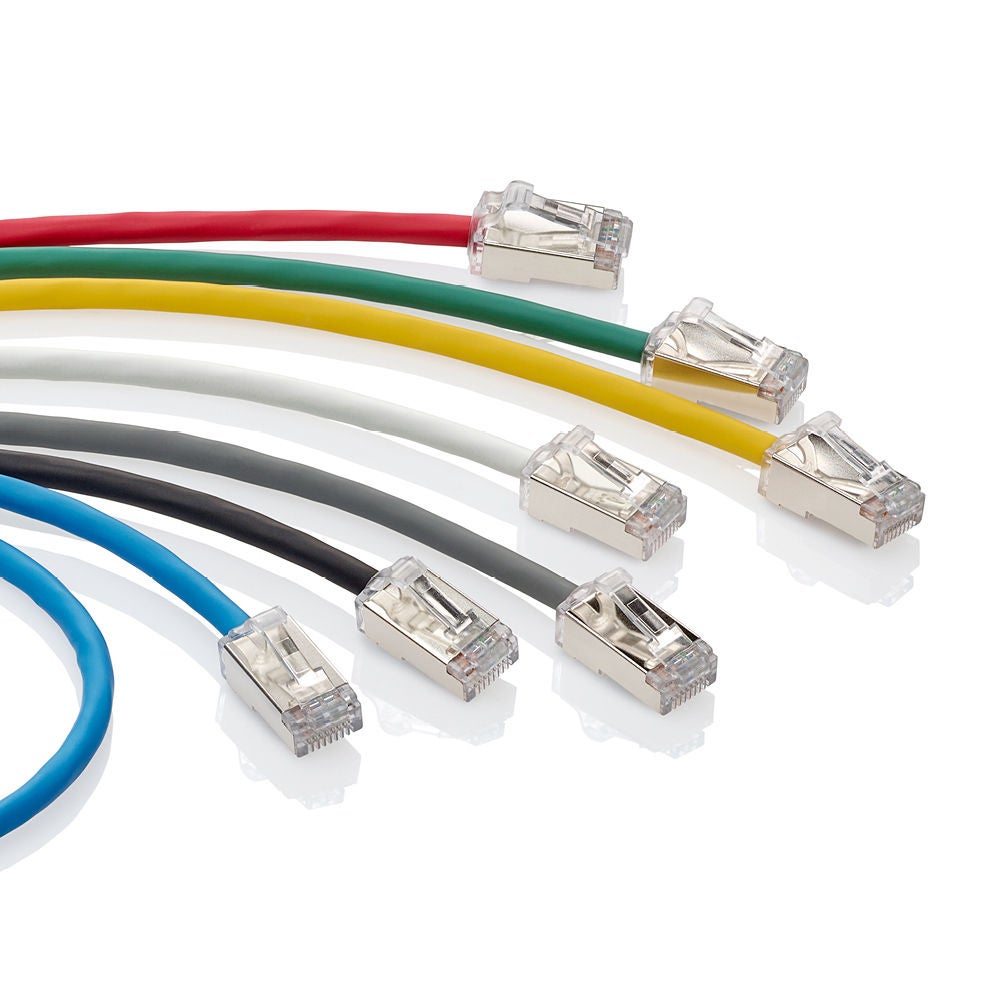
●     Assess your network requirements: Category 6 cabling’s bandwidth capacity and high performance makes it our recommended go-to for most residential networks. Understanding what your network requirements are, however, will empower you to choose the cabling option that suits your unique needs.

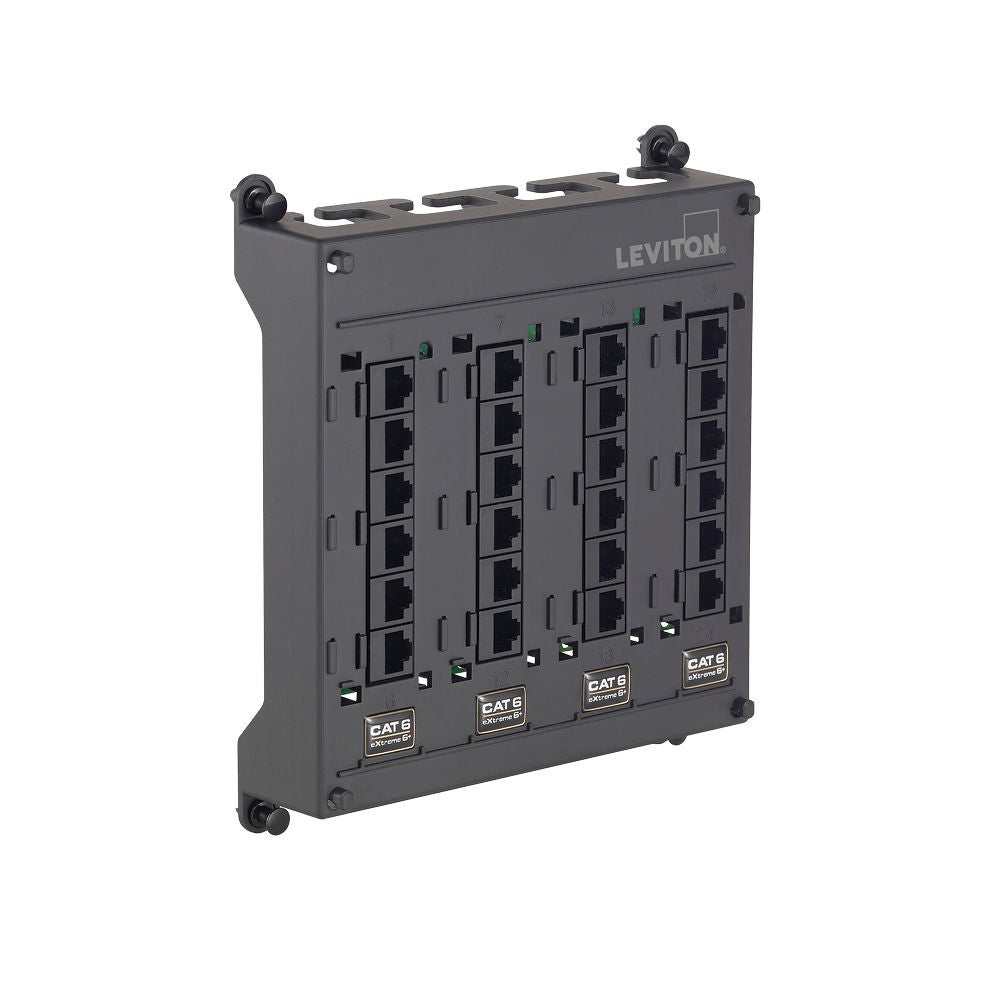
●     Chart placement and distribution: The components of your framework will vary based on the number of connection points. Depending on the number of internet extension locations, security system connection points, or home-office phone lines, there are options for distribution modules that serve as a routing point for the data and voice network in the home.

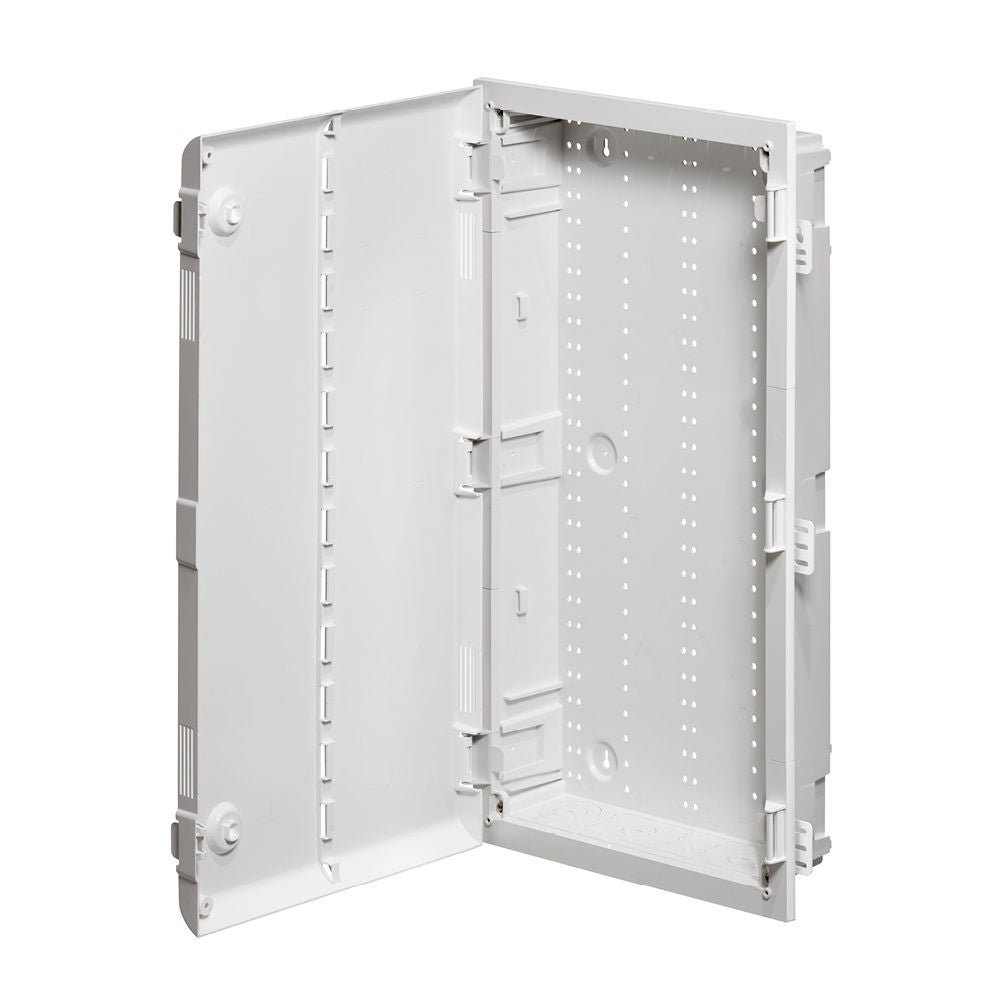
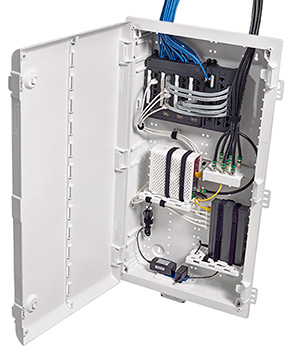
●     Select your STRUCTURED MEDIA Center enclosure: Structured wiring enclosures are to network systems what a breaker box is to your electricity. They are a hub that provides a single convenient termination location, or a root that supports your network as it branches through the home. Leviton STRUCTURED MEDIA Center enclosures are compact and support a wide range of floor plans and connectivity needs. 

A Greener
Connected Home


See how Leviton solutions can help reduce your overall carbon footprint.


Frequently Asked Questions

The most reliable home networks will use structured cabling (i.e., wired connectivity) for network devices such as Wi-Fi® Access Points (APs) and MESH Wi-Fi nodes as well as stationary user devices like desktop computers, home office equipment, wired security devices, and game consoles.

Connecting APs and MESH nodes with structured cabling will allow these devices to operate at their maximum bandwidth without the need to allocate Wi-Fi channels to wireless backhaul ensuring maximum availability for user mobile devices, laptops, tablets, and more.  

A structured wiring enclosure like Leviton’s STRUCTURED MEDIA™ Center (SMC) serves as a central hub for the network and is the ideal choice for organizing and housing connections, routers, switches, modems, and more in one dedicated place.

Category 6 cable will meet the needs of the vast majority of residential applications now and in the future. Category 6 cables and connectivity support gigabit and multi-gigabit ethernet applications including gigabit (1000BASE-T), 2.5 gigabit (2.5GBASE-T) up to 328 ft (100 m) and in most use cases 5 gigabit (5GBASE-T) applications as well. In high noise environments or when many cables are bundled together Category 6 support of 5GBASE-T may be more limited due to the lower tolerance for external noise (alien crosstalk) with Category 6 cabling (in comparison to Cat 6A) but these scenarios are rare in residential applications. Most consumer devices today operate with gigabit ethernet interfaces, with manufacturers slowly rolling out multi-gigabit interfaces in routers, access points, and switch gear at a premium.

Category 6A supports up to 10 gigabit (10GBASE-T) applications and is backwards compatible with gigabit and lower multi-gigabit applications. Category 6A is a great choice for very high bandwidth applications (such as a home editing studio requiring high availability and transfer rates for network access storage). TIA (Telecommunications Industry Association) standards (specifically ANSI/TIA 570) recommend Category 6A cabling for advanced future proof residential networks

For a small condo or studio apartment, a 14" enclosure is ideal. With fewer rooms, there will likely be fewer internet connection points, which means only a handful of components need to be housed in the enclosure. A larger apartment or single-family home with multiple bedrooms will need more connections and require a larger enclosure. For homes with only a simple voice and data network, a 28" enclosure might be sufficient. 

However, if you plan to include more connectivity to support multi-room audio, security, video distribution, and other high demand applications a 42” enclosure or multiple smaller enclosures may be needed. 

Plan out the number of connections you require, consider the equipment you will be using, and choose the enclosure solution that supports your application. Size-up to account for future network needs.

The STRUCTURED MEDIA™ center enclosure can be located in any well-lit, easily accessible area. Interior walls (without insulation) are ideal, note the SMC must not be mounted in a fire-rated wall (unless third party products to maintain the wall assemblies fire rating are used.

Choose a placement central to the areas within the home that will be supported. Interior closet walls offer a contained space out of view to house the equipment and can be easily accessible; hallways may also be appropriate.

Avoid placement directly adjacent to electrical service panels, large appliances (wash/dryer or refrigerator) as these areas may cause induced currents on close-by low-voltage cabling which can over time damage connected equipment.

Avoid outside walls as the conditions within these walls can experience temperature and environmental extremes detrimental to connected equipment housed within the enclosure also avoid installation in attic spaces and garages for the same reasons. While these areas can be acceptable, with equipment hardened against environmental stresses, they are not recommended.

Support Library

Warranties