Loading...

Complete Utility Submetering Solutions with VerifEye®

Scalable Submetering for Tenant Billing, Energy Monitoring, and Measurement & Verification (M&V)

From tenant billing and energy monitoring to measurement and verification (M&V), VerifEye® submeters deliver a flexible, scalable submetering solution that grows with your building. Start with what you need today and expand over time. Measure, monitor, and manage energy usage to reduce costs, improve efficiency, and maintain compliance with today’s energy codes and standards.

  • Simplify billing and cost allocation Accurately track real-time energy usage and allocate costs across tenants and spaces.
  • Built for integration and scale – Connect to energy management software and building systems using open protocols for a seamless experience.
  • Support code compliance – Meet LEED v5, IECC, ASHRAE 90.1, and California Title 24 requirements.
  • Reduce operating costs – Gain visibility into energy usage to identify savings opportunities and improve building performance.
Having trouble choosing the right submeter?

Submetering Products

How to Wire VerifEye Submeters

How to Wire a VerifEye Series 1000 Submeter for Single-Phase Applications
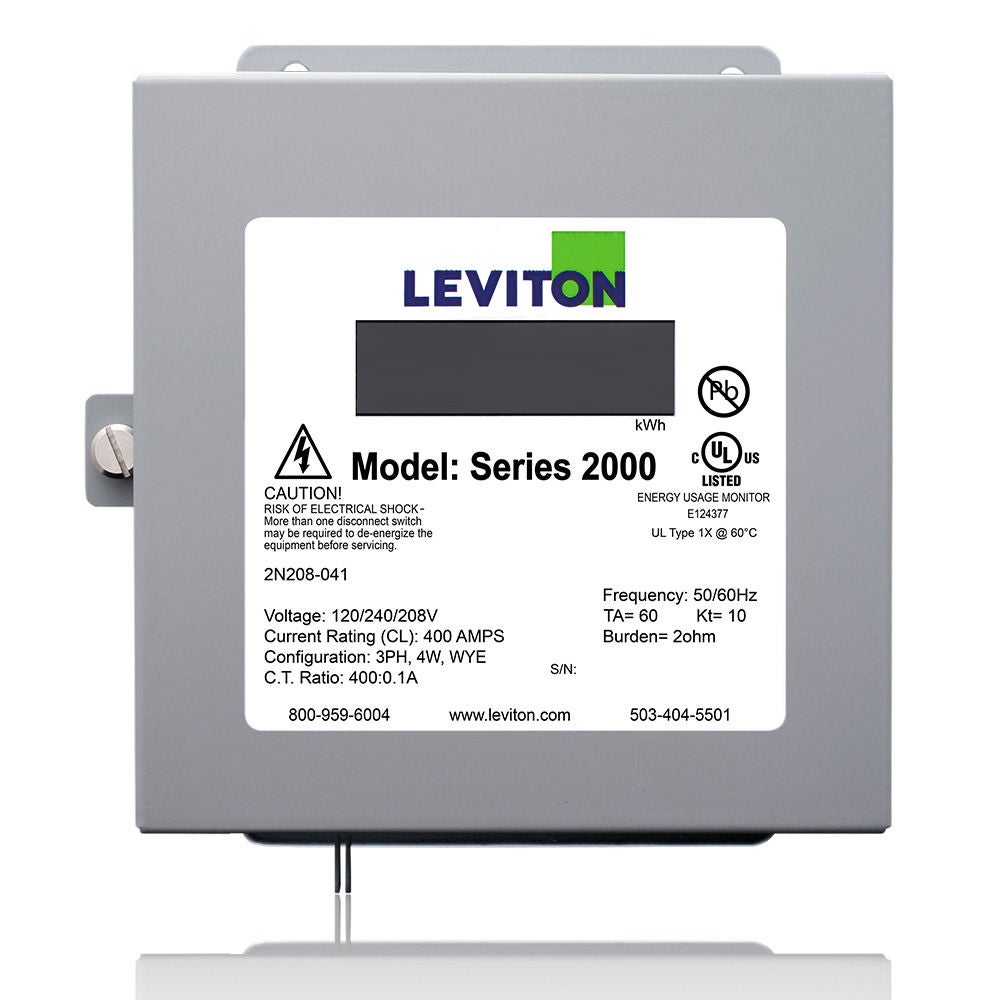
How to Wire a VerifEye Series 2000 Submeter for 3-Phase Applications
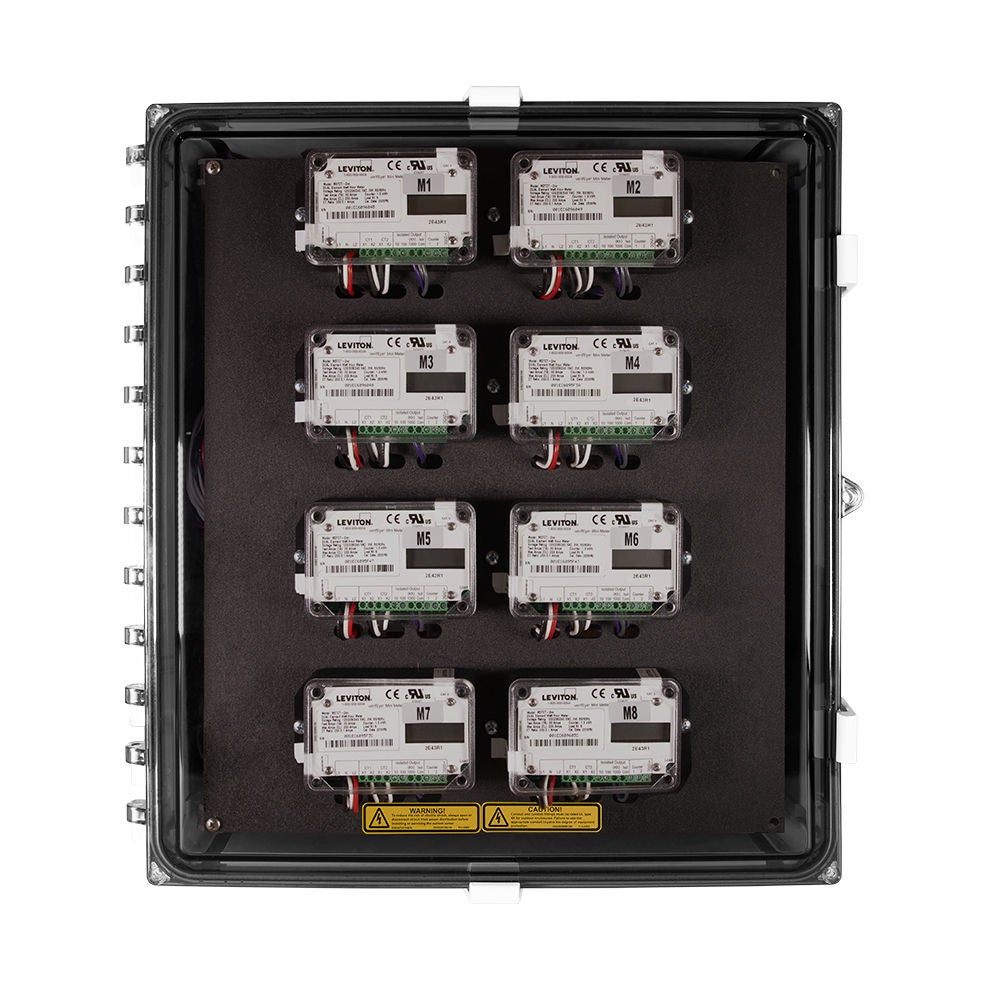
How to Wire a VerifEye Mini Meter
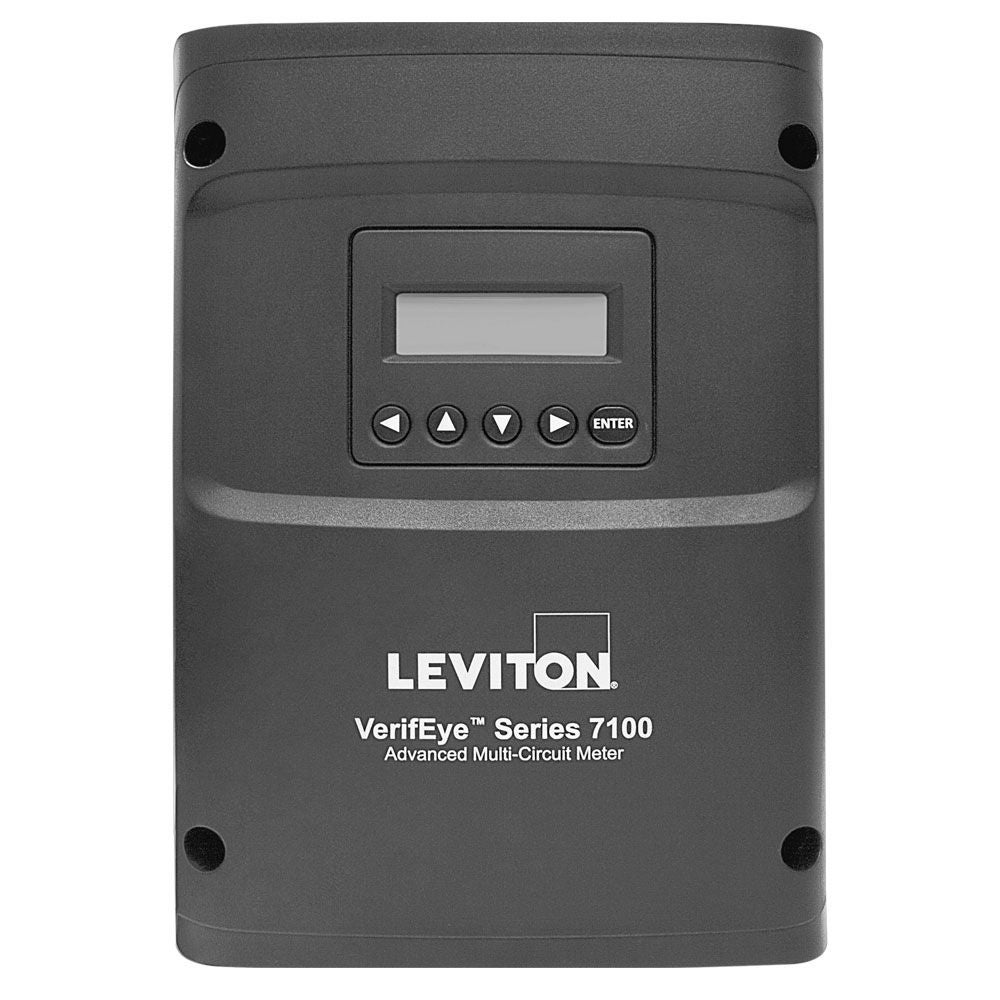
How to Wire a VerifEye Series 7000 Submeter for 3-Phase Applications
How to Wire a VerifEye Mini Meter MMU for Single-Phase and 3-Phase Applications

Frequently Asked Quetions

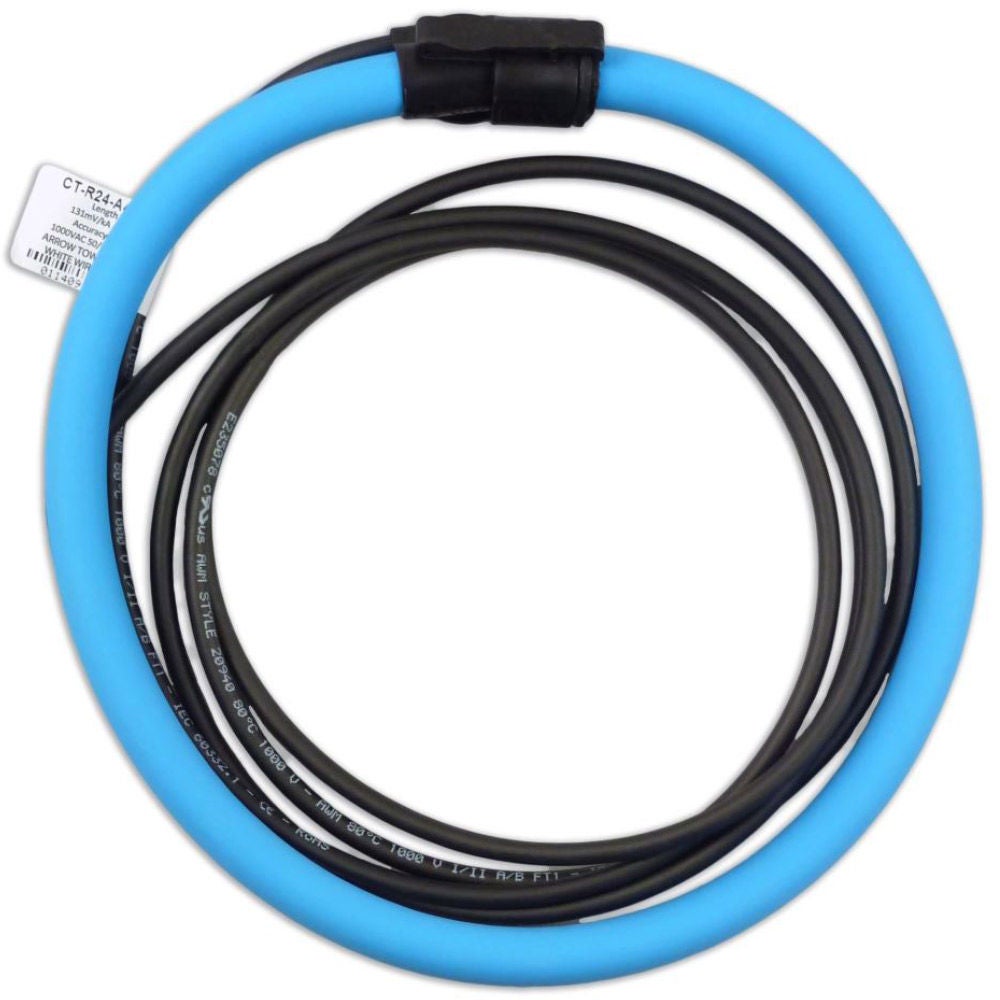
Current Transformers (CTs)

Pulse and base meters use 100 milliamps. Advanced meters use .333 millivolts.

Depends on meters and communication type. See article Cable Types and Max CT Wire Lengths for more information.

Yes. CTs can be paralleled to measure current through more than one electrical conduct.

Communication Protocols

ModBus RTU:

  • Serial connection
  • ModBus RTU interface is the most commonly used protocol
  • When using pulse meters, an HD pulse module must be used to bring data into the ModBus network

ModBus TCP:

  • Ethernet protocol
  • Better for transmitting data long distances

Only advanced meters can use BACnet. Advanced meters have built-in pulse inputs, no need for additional pulse modules.

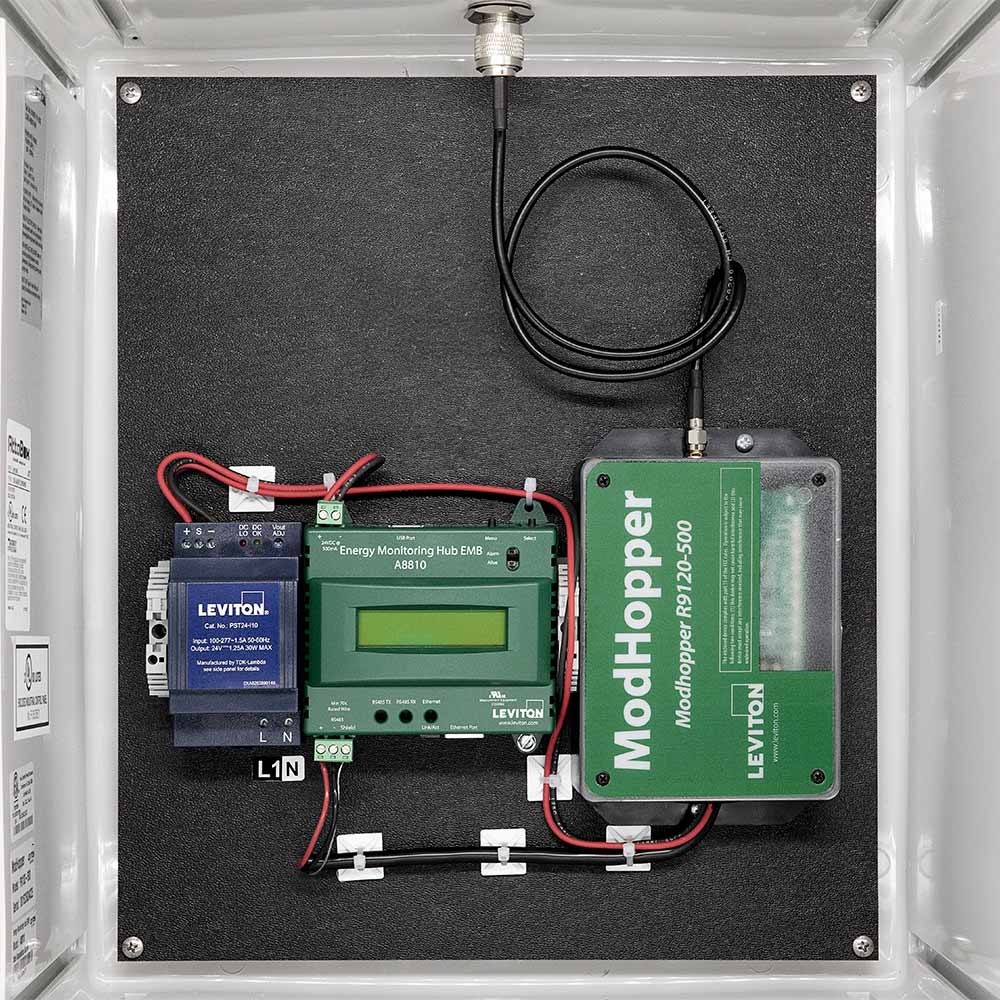
Hubs

That varies on the type of meter and communication protocol. Meters using ModBus are limited to 32 devices. This number can be multiplied using an HD Pulse Module, as each pulse module can support 23 meters. Multi-circuit meters can support more meters.

Meters

Basic meters like the 1000, 2000, and 3500 are factory configured. A basic meter's amp and voltage cannot be changed. Advanced meters are all programable. Knowing the amp, voltage, and what's being measured is important before ordering.

For standard configurations and dual reference inputs, use the 71D48. For a 24-virtual meter configuration, and a full data set for industrial applications, use the 73D48.

Building Manager Online (BMO)

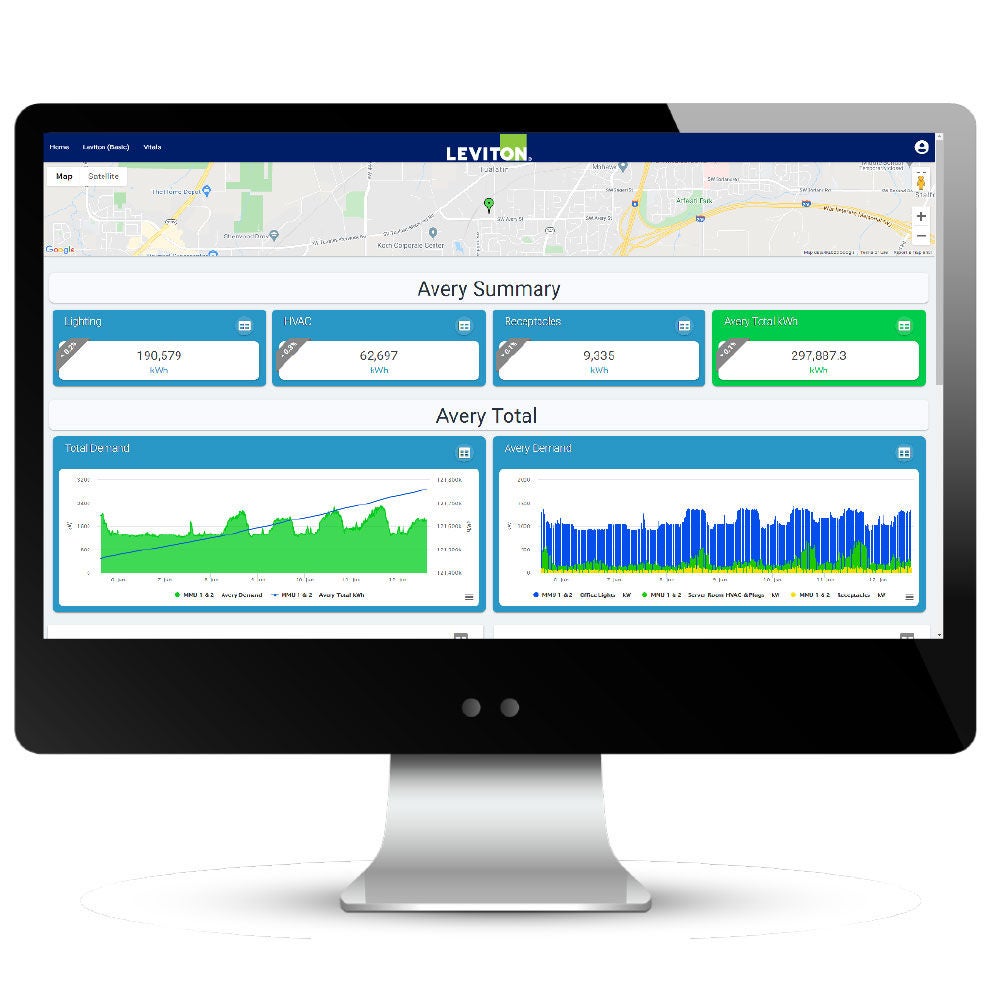
No, you can use any web browser to access data and download a CSV file. If only using the hub, you must retrieve data from one device at a time. If there are many meters, it is better to have BMO.

No. Users must pay for an annual subscription to the BMO service.

Learn more.

Download the Submeter Product & Applications Guide for more information on how to implement complete utility submetering solutions with VerifEye.